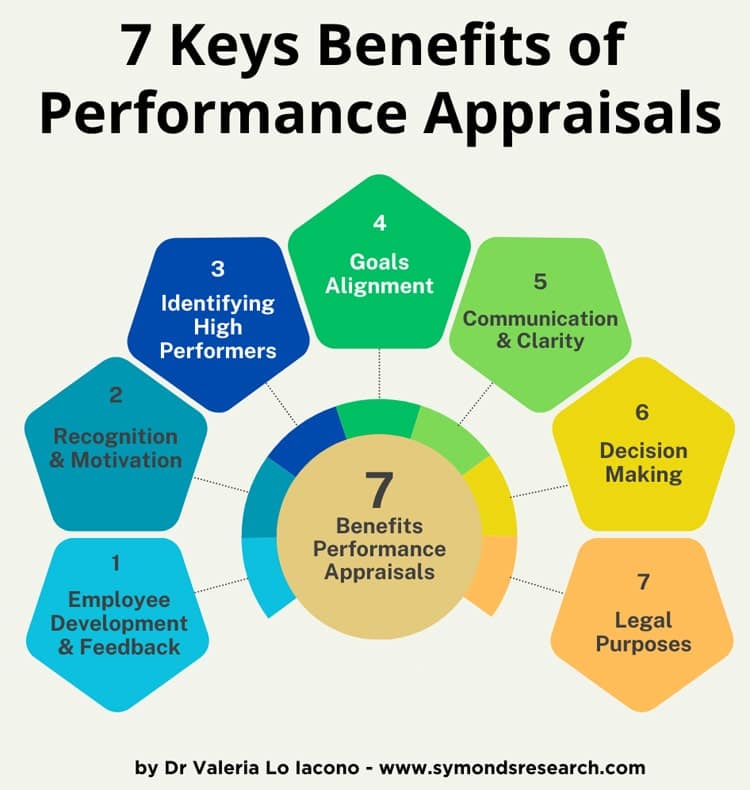
A successful 2025 workplace performance review is a structured, data-driven dialogue focused on an employee's past contributions and future development, not just a retrospective critique. To streamline this critical process, managers can leverage a dedicated Cnfans spreadsheet template, which provides a comprehensive framework for objective assessment, consistent goal setting, and meaningful feedback, transforming the appraisal from an administrative burden into a powerful growth opportunity.

Table of Contents
- What Defines a High-Impact Performance Review in 2025?
- The Foundational Role of a Standardized Template
- Key Components of an Effective Performance Review Spreadsheet
- How to Prepare for the Performance Conversation
- Conducting an Effective Employee Evaluation Meeting
- Post-Review: Translating Feedback into Action
- Navigating Common Challenges in Performance Appraisals
- Future-Forward: Evolving Trends in Performance Management
- Why Choose a Spreadsheet Over Complex Software?
- Frequently Asked Questions about Performance Reviews
What Defines a High-Impact Performance Review in 2025?
The traditional annual performance appraisal is evolving. In 2025, a high-impact review is characterized by its dynamic, continuous, and forward-looking nature. It moves beyond a simple grading of past actions to become a cornerstone of employee development and engagement. The focus has shifted from a one-way monologue delivered by a manager to a two-way dialogue that empowers employees to take ownership of their growth. This modern approach is built on a foundation of regular check-ins, data-informed observations, and a clear connection to organizational goals.
Key pillars of a modern employee evaluation include clarity, fairness, and forward momentum. Clarity means that both the employee and manager understand the criteria for success. Fairness is achieved through objective metrics and reducing unconscious bias. Forward momentum ensures that the conversation's outcome is a concrete action plan for skill development and career progression. Instead of being a source of anxiety, the 2025 performance review serves as a motivational tool that aligns individual aspirations with company objectives, fostering a culture of continuous improvement.
The Foundational Role of a Standardized Template
Achieving consistency and objectivity in performance appraisals across an entire organization is a significant challenge. This is where a standardized template becomes an indispensable tool for managers and HR professionals. Using a well-structured document ensures that every employee is evaluated against the same core competencies and standards, which is fundamental to maintaining fairness and equity. It eliminates the "blank page" problem, providing managers with a clear roadmap for what to assess and discuss.
A professional template, such as the ones developed by Cnfans, does more than just list questions. It creates a formal record of the conversation, documents agreed-upon goals, and tracks progress over time. This documentation is crucial for making informed decisions about promotions, compensation, and development opportunities. By providing a consistent framework, a template ensures that no critical area—from performance metrics to developmental goals—is overlooked, making the entire process more efficient, transparent, and legally defensible.
Key Components of an Effective Performance Review Spreadsheet
An effective performance review spreadsheet is more than a simple form; it's a comprehensive tool designed for clarity and action. The Cnfans template is engineered to include all the necessary sections for a holistic and productive evaluation, ensuring both manager and employee are on the same page.
Employee Self-Assessment Section
Empowerment begins with self-reflection. This section prompts the employee to reflect on their accomplishments, challenges, and contributions over the review period. Questions are designed to encourage thoughtful analysis of their own performance against set goals. It provides a valuable starting point for the conversation, giving the manager insight into the employee's perspective and perceived achievements. This self-evaluation fosters a sense of ownership and accountability in the employee.
Manager's Evaluation & Competency Rating
This is the core of the assessment, where the manager provides their formal evaluation. Using a rating scale (e.g., 1-5) against predefined competencies—such as communication, problem-solving, teamwork, and role-specific skills—ensures objectivity. The Cnfans spreadsheet provides a clear, quantifiable system for this. Each rating should be substantiated with specific examples and behavioral observations, linking performance to tangible outcomes. This data-driven approach moves the assessment from subjective opinion to evidence-based evaluation.
Goal Setting and Development Planning
A performance review should be fundamentally forward-looking. This crucial section focuses on setting new goals and identifying areas for professional growth. Goals should adhere to the SMART framework: Specific, Measurable, Achievable, Relevant, and Time-bound. The template provides dedicated fields to articulate these goals clearly. The development plan outlines the resources, training, or support the employee will need to achieve them, making it a collaborative roadmap for the upcoming period.
Final Summary and Signature Fields
To conclude the formal process, a summary section allows the manager to encapsulate the key takeaways from the conversation, highlighting major strengths and primary areas for development. It serves as a high-level record of the meeting. Including digital or physical signature fields for both the employee and manager confirms that the review took place and the content was discussed. This formalizes the document and establishes a shared understanding of the outcomes and next steps.
How to Prepare for the Performance Conversation
Thorough preparation is the difference between a generic meeting and a transformative conversation. Managers should begin by gathering specific data and examples that illustrate the employee's performance. This includes reviewing project outcomes, sales numbers, customer feedback, and notes from previous one-on-one meetings. Avoid relying on memory or recent events, a phenomenon known as recency bias. A structured template guides this data collection process, ensuring you have a balanced view of the entire review period.
Before the meeting, provide the employee with the self-assessment portion of the template and ask them to complete it. This gives them time to reflect and prepares them to contribute meaningfully to the discussion. You should also review their previous goals and performance reviews to track progress and identify recurring themes. Finally, draft your initial ratings and comments within the template, but remain open to revising them based on the conversation. The goal is to enter the meeting with a clear, evidence-based perspective, not a finalized, unchangeable verdict.
Conducting an Effective Employee Evaluation Meeting
The environment of the evaluation meeting itself is paramount. Begin by setting a positive and collaborative tone. Start the conversation by discussing the purpose of the meeting: to have a constructive dialogue about performance and future growth. A good practice is to let the employee share their self-assessment first. This approach shows respect for their perspective and often brings important topics to the forefront immediately.
When providing feedback, use the "Situation-Behavior-Impact" (SBI) model to keep comments specific and objective. Describe the situation, explain the specific behavior you observed, and then detail its impact on the team, project, or company. This method avoids vague generalizations and personal attacks. Balance constructive feedback with genuine recognition of strengths and accomplishments. The conversation should be a dialogue; pause frequently to ask questions, listen actively, and ensure the employee feels heard and understood. The focus should always be on the performance and behaviors, not the person.
Post-Review: Translating Feedback into Action
The performance review meeting is not the end of the process; it is the beginning of the next phase of growth. The true value of the review is realized in the weeks and months that follow. Immediately after the meeting, finalize the review document with any adjustments made during the conversation and share the completed copy with the employee. This ensures both parties have an accurate record of the discussion and the agreed-upon action plan.
The development plan and SMART goals established during the review should be integrated into regular one-on-one meetings. These check-ins become opportunities to track progress, offer support, and adjust goals as needed. Managers should be proactive in providing the resources identified in the development plan, whether it's enrolling the employee in a training course, assigning a mentor, or providing opportunities to lead a new project. Consistently following up demonstrates a genuine commitment to the employee's development and holds both parties accountable for the plan's success.
Navigating Common Challenges in Performance Appraisals
Even with the best intentions, performance appraisals can be fraught with challenges. Being aware of these potential pitfalls and having strategies to address them is essential for any manager. From unconscious bias to handling difficult conversations, proactive management is key.
Mitigating Unconscious Bias
Unconscious bias can subtly influence evaluations, leading to unfair assessments. Common biases include the halo/horn effect (where one positive or negative trait colors the entire review), leniency bias (rating everyone favorably), and affinity bias (favoring employees who are similar to you). Using a structured template with clear, behavior-based rating criteria is the first line of defense. It forces managers to justify ratings with specific examples, shifting the focus from feeling to fact. Additionally, incorporating 360-degree feedback, which includes input from peers and direct reports, can provide a more rounded and less biased perspective.
Handling Underperformance Constructively
Discussing underperformance is often the most dreaded part of a review. The key is to approach the topic with empathy and a problem-solving mindset. Clearly and calmly present the specific areas where performance is not meeting expectations, using data and examples from your review template. Avoid accusatory language. The focus should be on understanding the root cause: is it a skill gap, a lack of resources, a motivation issue, or a misunderstanding of expectations? Work collaboratively with the employee to create a Performance Improvement Plan (PIP) with clear, measurable, and time-bound objectives. Frame the conversation around support and improvement, not punishment.
Future-Forward: Evolving Trends in Performance Management
The landscape of performance management is continuously evolving, driven by changes in work culture and technology. One of the most significant trends is the move towards continuous performance management. Instead of a single annual event, companies are adopting a model of frequent, informal check-ins, real-time feedback, and agile goal setting. This approach is more adaptive to fast-paced business environments and helps address issues and recognize achievements as they happen.
Another emerging trend is the increasing use of data analytics to inform performance conversations. This includes tracking key performance indicators (KPIs) automatically and using sentiment analysis on peer feedback. Furthermore, there is a growing emphasis on strengths-based reviews, which focus on identifying and leveraging an employee's natural talents rather than solely concentrating on fixing weaknesses. Staying abreast of these trends helps organizations create a more dynamic, engaging, and effective performance management system.
Why Choose a Spreadsheet Over Complex Software?
In an age of sophisticated HR software, a well-designed spreadsheet remains a powerful, practical, and preferred tool for many organizations. While large enterprises may benefit from integrated HRIS platforms, small to medium-sized businesses and individual teams often find them to be overly complex, expensive, and rigid. The Cnfans spreadsheet offers a compelling alternative that balances structure with flexibility.
Spreadsheets are universally accessible and require no special training, eliminating the steep learning curve and implementation costs associated with new software. They are infinitely customizable to fit a team's unique competencies and goals. A professional template provides the necessary structure to ensure consistency and professionalism without the costly subscription fees and feature bloat of dedicated software. For managers who need a straightforward, effective, and budget-friendly solution, a high-quality spreadsheet is the ideal choice.
| Feature | Cnfans Spreadsheet Template | Complex HR Software |
|---|---|---|
| Cost | Low one-time purchase | High recurring subscription fees |
| Implementation | Instant; download and use | Lengthy setup and data migration |
| Customization | Highly flexible and easily editable | Often rigid or requires technical support |
| Ease of Use | Intuitive for anyone familiar with spreadsheets | Requires dedicated training and onboarding |
| Accessibility | Accessible on any device with spreadsheet software | Often limited by user licenses and platform |
Frequently Asked Questions about Performance Reviews
How often should performance reviews be conducted?
While the annual review remains a common practice for formal documentation, best practice in 2025 is to supplement it with more frequent, informal check-ins. Quarterly or bi-monthly conversations about goals and performance, combined with an annual or semi-annual formal review, create a robust system of continuous feedback.
What is the employee's role in the performance review?
The employee is an active participant, not a passive recipient. Their role is to complete a thorough self-assessment, come prepared to discuss their accomplishments and challenges, ask clarifying questions, and collaborate on setting future goals and a development plan. Their engagement is critical to the success of the review.
How can I deliver negative feedback without demotivating an employee?
Focus on the behavior, not the person. Use the SBI (Situation-Behavior-Impact) model to be specific and objective. Frame the feedback in the context of growth and development, emphasizing your confidence in their ability to improve. Ensure you also highlight their strengths to provide a balanced perspective and maintain morale.
What should be included in a performance review summary?
The summary should briefly restate the employee's key strengths and accomplishments discussed during the meeting. It should also clearly list the 1-3 primary areas for development and reference the SMART goals and action items that were agreed upon for the upcoming period. It is a concise record of the meeting's most important outcomes.