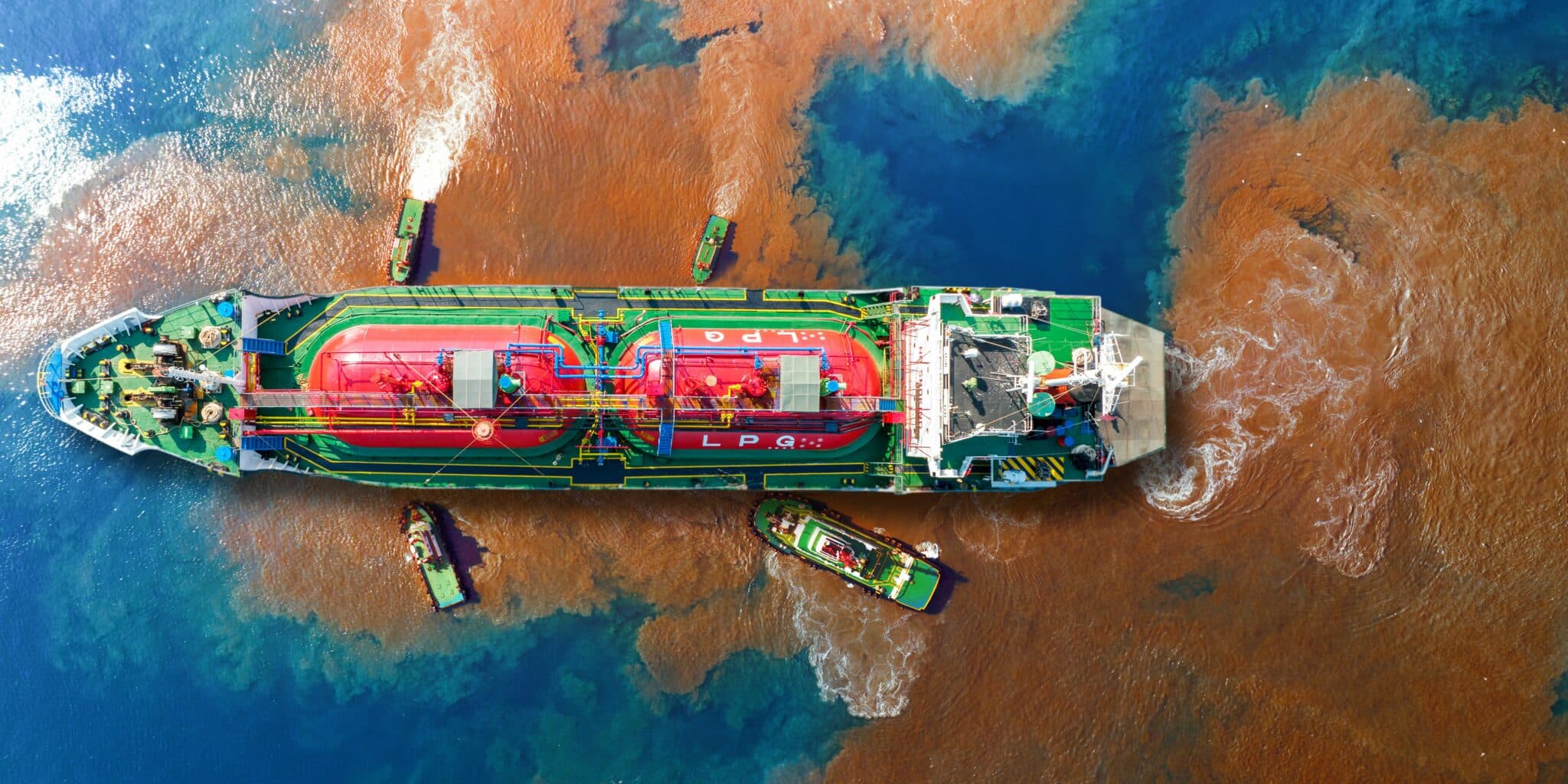
The environmental impact of international shipping, particularly through services like CNfans, is primarily driven by carbon emissions from transportation and waste from packaging materials. The specific impact of any single shipment depends heavily on the chosen shipping method—with air freight having a significantly larger carbon footprint than sea or rail—and the efficiency of packaging. However, utilizing features like parcel consolidation inherently reduces the overall environmental toll by improving logistical efficiency and minimizing the total volume of packaging waste compared to shipping multiple items individually.

Table of Contents
- What is the Primary Environmental Concern with International Shipping?
- How Does Your Choice of CNfans Shipping Line Affect Carbon Emissions?
- What Role Does Packaging Play in the Environmental Equation?
- How Does CNfans' Parcel Consolidation Service Impact the Environment?
- Are There Hidden Environmental Costs to Consider?
- What Practical Steps Can You Take to Minimize Your Environmental Footprint with CNfans?
- How Can CNfans' Services Support More Sustainable Shipping?
What is the Primary Environmental Concern with International Shipping?
When ordering goods from across the globe, the most significant environmental factor is the carbon footprint generated by transportation. Every parcel that travels from a warehouse in China to a doorstep in another country requires energy, and this energy consumption releases greenhouse gases, primarily carbon dioxide (CO2), into the atmosphere. The total emissions, often measured in carbon dioxide equivalent (CO2e), are directly linked to the distance traveled and, more importantly, the mode of transport used.
International logistics relies on a network of airplanes, cargo ships, trains, and trucks. Of these, air freight is by far the most carbon-intensive. Transporting goods by air can generate 40 to 50 times more CO2e than moving the same weight over the same distance by sea. This disparity is central to understanding the environmental impact of your shipping choices. While the speed of air travel is a major convenience for e-commerce, it comes at a substantial environmental price. The demand for rapid delivery directly fuels the reliance on this high-emission transport method.
How Does Your Choice of CNfans Shipping Line Affect Carbon Emissions?
CNfans provides a variety of shipping lines, each with a different balance of speed, cost, and environmental impact. Your selection on the shipping calculator is the single most important decision you can make to influence the footprint of your haul. Understanding the differences is key to making a more informed choice.
The High Cost of Speed: Air Freight (Express Lines)
Express shipping lines, such as DHL, FedEx, and UPS, prioritize speed. To achieve delivery in just a few days, these services rely almost exclusively on air freight for the long-haul portion of the journey. As established, this is the most polluting method of transport available. Choosing an express line means prioritizing convenience and speed, but it also means selecting the option with the highest possible carbon footprint per kilogram shipped.
These services are optimized for getting individual parcels to their destinations quickly, which often involves flying cargo planes that may not be at full capacity, further reducing their fuel efficiency per item. While incredibly reliable, their business model is fundamentally built on a high-energy, high-emission logistics network.
The Greener, Slower Path: Sea and Rail Freight
For shoppers not in a rush, sea and rail freight present a much more environmentally responsible alternative. Ocean shipping is the backbone of global trade and is vastly more fuel-efficient than air travel. A large container ship can move immense quantities of goods at once, dramatically lowering the carbon emissions attributed to each individual item. The trade-off is time; sea freight can take several weeks or even a couple of months to arrive.
Similarly, rail freight, where available, offers a low-emission alternative to both air and road transport over long land routes. CNfans often offers sea or rail options, sometimes labeled as "Sea Mail" or under specific country-tax-free lines that use these slower methods. Opting for these lines is a direct action to reduce your shipment's carbon footprint by a significant margin.
Navigating the Middle Ground: Economy Air Lines
Lines like EMS and SAL (Surface Air Lifted) often represent a compromise. While they still use air transport, their logistics are different from express couriers. SAL, for example, uses spare capacity on commercial passenger flights or less prioritized cargo planes. This means it's slower than express air but generally faster than sea freight. Its environmental impact sits somewhere in the middle—it is still more impactful than sea freight but can be less carbon-intensive than dedicated express air cargo, as it leverages existing flights more efficiently.
| Shipping Mode | Typical Speed | Relative Cost | Environmental Impact |
|---|---|---|---|
| Express Air Freight (e.g., DHL, FedEx) | 3-10 Days | High | Very High |
| Economy Air (e.g., EMS, SAL) | 10-30 Days | Medium | High |
| Sea/Rail Freight | 30-90 Days | Low | Low |
What Role Does Packaging Play in the Environmental Equation?
Beyond carbon emissions, the second major environmental impact of e-commerce shipping is waste. Every item shipped requires packaging for protection, and this often involves a combination of cardboard, plastic tape, bubble wrap, foam fillers, and plastic mailers. Many of these materials, particularly plastics, are not easily recyclable in standard municipal systems and can end up in landfills or oceans.
The phenomenon of "over-packaging" is a significant issue. To prevent damage, items are often placed in boxes that are much larger than necessary, with the empty space filled by plastic air pillows or other void-fill materials. This not only increases the amount of waste generated per order but also reduces shipping efficiency. A larger box takes up more space in a cargo hold, meaning fewer parcels can fit on a single plane or ship, indirectly increasing the per-item carbon footprint. The materials used, their volume, and their recyclability all contribute to the final environmental toll of a shipment.
How Does CNfans' Parcel Consolidation Service Impact the Environment?
This is where using an agent service like CNfans provides a distinct environmental advantage over direct-from-vendor international shipping. When you buy from multiple sellers on platforms like Taobao or Weidian, each seller ships their item to the CNfans warehouse individually. These are typically small, separately packaged items. Without consolidation, you would have to pay for, and receive, multiple small international shipments, each with its own packaging and minimum carbon footprint.
By using the CNfans spreadsheet shipping service to consolidate, you combine all these small items into a single, efficiently packed parcel. This action has two powerful environmental benefits. First, it dramatically reduces the total amount of exterior packaging and labeling materials used. Instead of ten small boxes, you have one larger one. Second, it creates a much more logistically efficient unit for shipping companies to handle. A single, dense parcel is more efficient to sort, handle, and transport than numerous small, lightweight packages, ultimately optimizing the use of cargo space and reducing the overall carbon emissions associated with your haul.
Are There Hidden Environmental Costs to Consider?
The impact of your purchase doesn't begin and end with shipping. There are other, less obvious environmental factors tied to the cross-border e-commerce ecosystem that are important to acknowledge for a complete picture.
The Impact of Returns and "Reverse Logistics"
Returning an item purchased internationally is a logistically complex and energy-intensive process. The product must make a full journey back to the warehouse in China. This "reverse logistics" chain involves more transportation, handling, and often new packaging, effectively doubling the shipping-related carbon emissions for that item. In many cases, the economic cost of processing an international return is so high that the item is simply discarded, leading to wasted resources and landfill contributions. The difficulty and high environmental cost of returns make it crucial to be certain about purchases before ordering.
The Lifecycle of the Products Themselves
While not a direct impact of shipping, the nature of the products being purchased plays a role. Platforms accessible through CNfans are popular for "fast fashion" and affordable electronics—items that may have short lifespans and are produced with significant environmental and social costs. The ease of purchasing and shipping these goods internationally can encourage a cycle of rapid consumption and disposal. A holistic view of environmental impact includes considering the sustainability of the products themselves, from their creation to their eventual end-of-life.
What Practical Steps Can You Take to Minimize Your Environmental Footprint with CNfans?
As a conscious consumer, you hold significant power to reduce the environmental impact of your international purchases. By making deliberate choices within the CNfans platform, you can actively steer your shipment toward greater sustainability.
Choose Your Shipping Method Wisely
This is your most impactful choice. Before you confirm your shipment, evaluate your needs. Do you truly need your items in a week? If not, resist the temptation of express shipping. By selecting a sea or rail line, you can cut your shipping carbon footprint by over 90%. Even opting for a slower economy air line over an express one can make a meaningful difference. Patience is a powerful tool for sustainability.
Maximize Parcel Consolidation
Take full advantage of CNfans' free warehousing period. Instead of shipping a few items as soon as they arrive, wait until you have a larger number of orders ready. Grouping more items into a single, larger shipment is far more efficient than shipping several smaller parcels over time. This maximizes the benefits of consolidation, reducing both packaging waste and the per-item carbon footprint.
Make Conscious Packaging Choices
When preparing your parcel for shipment, review the value-added services offered by CNfans. Options like "Simple Packaging" or "Carton Box Removal" can reduce unnecessary weight and volume. For clothing, "Vacuum Sealing" can drastically shrink the parcel's size, allowing for more efficient use of cargo space. While options like "Parcel Reinforcement" use more tape, they can prevent damage that might lead to a wasteful return, so balance protection with minimalism.
Plan Your Purchases to Reduce Shipping Frequency
Think ahead. Instead of placing small, frequent orders, try to plan your purchases and create a larger "haul" once every few months. This behavior complements the strategy of maximizing consolidation. Fewer individual shipping events throughout the year translate directly to a lower cumulative environmental impact. A well-planned quarterly haul is far more sustainable than multiple impulse-driven monthly shipments.
How Can CNfans' Services Support More Sustainable Shipping?
While CNfans may not market itself as an "eco-friendly" company, its core business model and specific services inherently provide tools for users to make more sustainable choices. The power lies in how you use the platform.
The single most important feature is parcel consolidation. This service directly combats the inefficiency and waste of shipping multiple small packages from individual vendors. By enabling users to create a single, dense, and efficiently packed parcel, CNfans facilitates a significant reduction in waste and improves logistical carbon efficiency.
Furthermore, the variety of shipping options empowers users. By transparently offering slow, low-impact sea freight alongside fast, high-impact air freight, CNfans gives you the control. The platform’s value-added packaging services, such as removing shoe boxes or vacuum-sealing clothes, are designed to save you money on volumetric shipping weight, but they have the direct co-benefit of reducing parcel size and waste. By thoughtfully using these existing tools, every CNfans user can play an active part in minimizing the environmental footprint of global e-commerce.