Sourcing Apple technology, including iPhones and accessories, from Chinese marketplaces involves using a shopping agent and specialized tools to navigate platforms like Taobao and Weidian. This process allows access to a wide range of products, from refurbished devices to unique accessories, often at a lower cost. The key to success lies in understanding the risks, meticulously vetting sellers, and leveraging resources like the CNFANS spreadsheet to find verified products and simplify the purchasing journey.
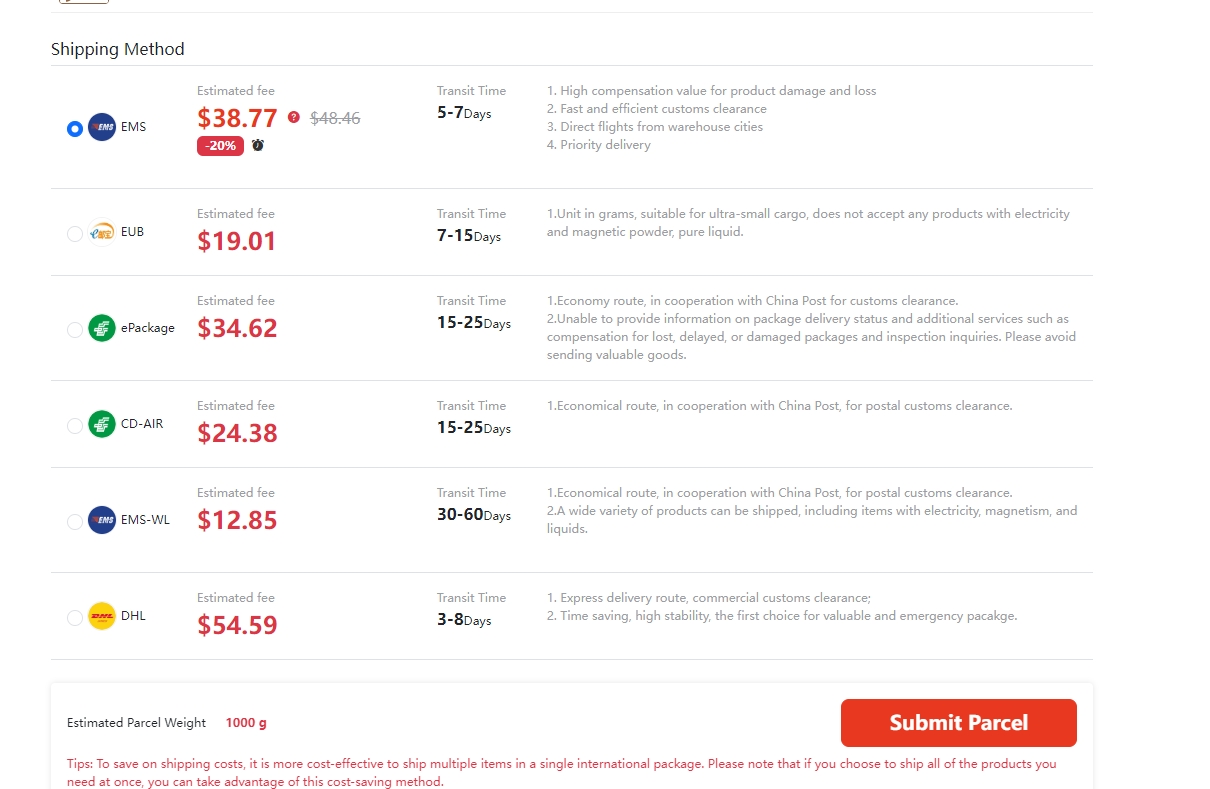
Table of Contents
- Why Is Shopping for Apple Tech in China Gaining Traction?
- What Kinds of Apple Products Can You Actually Find?
- What Are the Major Risks and How Do You Navigate Them?
- How Do You Start Your Apple Tech Haul: A Step-by-Step Process
- Decoding Seller Listings: What to Look For
- Shipping Your Electronics Haul: Best Practices
- Beyond iPhones: Must-Have Apple Accessories from China
- Is It Ultimately Worth the Effort and Risk?
Why Is Shopping for Apple Tech in China Gaining Traction?
The allure of sourcing Apple products directly from China extends beyond simple curiosity. For many savvy shoppers, it represents a calculated strategy to maximize value and access a broader selection of goods. The primary motivator is, without a doubt, cost savings. The market for refurbished and second-hand electronics in China is massive, allowing buyers to acquire iPhones, iPads, and MacBooks at prices significantly lower than their local retail counterparts. These are often devices that have been professionally restored, offering a compelling balance between performance and price.
Beyond the price tag, this shopping method opens the door to a variety of products not readily available in other markets. This can include "new old stock"—brand-new, unopened devices from previous generations—or region-specific models. Furthermore, the ecosystem of third-party accessories is unparalleled. Shoppers can find everything from high-quality MagSafe-compatible chargers and unique Apple Watch bands to innovative cases that may never see a Western release, all at highly competitive prices. This combination of savings and selection is a powerful driver for the growing community of international buyers.
What Kinds of Apple Products Can You Actually Find?
The term "Apple tech from China" covers a vast and varied landscape of products. It's crucial for prospective buyers to understand the different categories of items they will encounter to set realistic expectations and make informed decisions. The spectrum ranges from genuine, pre-owned Apple hardware to an endless array of third-party accessories.
Refurbished and Used iPhones
This is one of the most popular categories. Sellers on platforms like Taobao offer a massive inventory of iPhones that have been previously owned. The condition can vary dramatically, from devices that are nearly pristine to those with visible signs of wear. Reputable refurbishers will often replace the battery and screen and test all functions before listing the device for sale. It's essential to purchase from sellers with high ratings and a history of positive reviews, as the quality of refurbishment is paramount to the device's longevity and performance.
"New Old Stock" and Gray Market Devices
Occasionally, you may find listings for "New Old Stock" (NOS). These are typically older iPhone models that remain sealed in their original packaging. They were never sold at retail and can be a great find for collectors or users who prefer a specific older model. Gray market devices are genuine Apple products intended for one market (e.g., mainland China, Hong Kong) but sold in another. While they are authentic, be aware of potential minor differences, such as the absence of a physical SIM tray on some US models or specific cellular band limitations.
High-Fidelity Clones and Replicas
It's an undeniable fact that the market includes high-fidelity replicas, particularly for products like AirPods and Apple Pencils. These items are designed to mimic the look, feel, and sometimes even the software features (like the iOS pairing pop-up) of the genuine article. While some are remarkably close in appearance, their performance, sound quality, and durability are almost always inferior. Purchasing these items carries significant risk, as their quality is unpredictable, and they offer no warranty or support. It's vital to be aware of their existence to avoid unintentionally purchasing a clone when seeking a genuine product.
A Universe of Accessories: Cases, Chargers, and More
This is where shopping from China truly shines. The variety and innovation in the third-party accessory market are astounding. You can find high-quality replicas of Apple's own cases, watch bands, and MagSafe wallets for a fraction of the price. More importantly, you'll discover countless original designs and niche products—from ultra-thin carbon fiber cases to multi-device charging stands—that offer excellent quality and value. For many, the accessories alone make the effort of an international "tech haul" worthwhile.
What Are the Major Risks and How Do You Navigate Them?
Pursuing Apple tech from China is not without its challenges. A successful purchase requires a clear understanding of the potential pitfalls and a proactive strategy to mitigate them. Being informed is your best defense against disappointment.
The table below outlines the most common risks and provides actionable strategies for navigating each one. Diligence at every step of the process is non-negotiable.
| Risk Category | Description of Risk | Mitigation Strategy |
|---|---|---|
| Quality & Authenticity | The product received is a low-quality clone, is not as described, or has functional defects (e.g., poor battery, faulty screen). | Stick to highly-rated sellers. Use the CNFANS spreadsheet for community-vetted finds. Meticulously inspect QC photos from your agent and request additional tests (e.g., battery health check, screen test). |
| Shipping Restrictions | Items with built-in lithium-ion batteries (like iPhones) are classified as restricted goods by many shipping lines, leading to limited shipping options or rejection. | Consult your agent's shipping calculator and guidelines before purchasing. Choose a shipping line that explicitly allows for electronics with built-in batteries. |
| Customs & Seizures | Your package may be inspected by customs in your home country, potentially leading to import taxes or, in the case of counterfeit goods, seizure and destruction. | Declare the package contents and value honestly but reasonably. Purchase shipping insurance that covers seizures. Avoid shipping multiple high-value electronics in a single parcel. |
| Seller Scams | A seller may engage in a "bait-and-switch" (showing a high-quality item in pictures but shipping a low-quality one) or simply never ship the item. | Using a shopping agent provides a crucial buffer. The agent receives the item first, allowing you to reject it based on QC photos if it doesn't match the listing. Never deal directly with sellers outside of the platform. |
How Do You Start Your Apple Tech Haul: A Step-by-Step Process
Embarking on your first electronics purchase from China requires a methodical approach. By breaking it down into distinct steps, you can demystify the process and significantly increase your chances of a successful and satisfying outcome. This structured process leverages specialized tools and services designed for international buyers.
Step 1: Leveraging the CNFANS Spreadsheet to Discover Finds
The sheer volume of listings on Taobao and Weidian can be overwhelming. This is where a curated resource becomes invaluable. The CNFANS spreadsheet acts as your starting point, aggregating product finds that have been discovered and often vetted by a community of shoppers. Instead of searching blindly, you can browse categories dedicated to electronics and Apple products. These spreadsheets provide direct links to items, often with notes on quality and seller reputation, saving you hours of searching and reducing the risk of landing on a dubious listing.
Step 2: Choosing Your Shopping Agent
An agent is a non-negotiable partner in this process. Services like Pandabuy, Sugargoo, or Hagobuy act as your intermediary. You provide them with the product link, and they handle the purchase from the Chinese seller. They receive the item at their warehouse, take detailed Quality Check (QC) photos for your approval, and then manage the international shipping to your doorstep. Your choice of agent will depend on factors like their user interface, shipping rates, and customer service reputation.
Step 3: Analyzing Product Listings on Taobao and Weidian
Once you have a product link, either from the spreadsheet or your own search, you must analyze the listing. Use your browser's built-in translation feature to understand the item description, specifications, and, most importantly, the customer reviews. Pay attention to reviews that include pictures from other buyers. Look at the seller's overall rating, their return rate, and the age of their shop. A well-established store with high marks is always a safer bet.
Step 4: The Critical Importance of QC Photos
After your agent receives the item, they will upload QC photos to your account. This is your single most important checkpoint. Do not rush this step. Examine every detail. Does the item match the seller's photos? Are there any visible defects? For an iPhone, you can pay a small extra fee to ask the agent to perform specific actions, such as turning on the device, checking the battery health percentage in the settings, and testing the touchscreen. If anything seems wrong, you can instruct the agent to return the item for a refund. This step alone prevents the vast majority of potential problems.
Decoding Seller Listings: What to Look For
Effectively vetting a product listing is a skill that separates successful buyers from those who encounter issues. Since you cannot physically inspect the item, you must become an expert at interpreting the data available on the seller's page. Look beyond the attractive stock photos and dig into the details that reveal the true nature of the product and the seller's reliability.
First, focus on the seller's metrics. On platforms like Taobao, you'll see ratings in the form of hearts, diamonds, or crowns, indicating their transaction volume and history. A seller with multiple crowns and a high positive feedback percentage (ideally 98% or higher) is generally more trustworthy. Also, look for the shop's return rate; a very low return rate is a positive sign. These metrics provide a quick but powerful snapshot of the seller's track record.
Next, scrutinize the images. A listing that relies solely on official Apple marketing photos is a red flag. Reputable sellers of used or refurbished goods will almost always include actual, in-hand photos of the units they are selling. These "real" photos give you a much better sense of the item's true condition. Finally, dive into the reviews, using a translation tool. Ignore the generic one-line reviews and search for detailed feedback, especially reviews accompanied by photos from other buyers. These user-submitted images are unfiltered proof of what the seller is actually shipping.
Shipping Your Electronics Haul: Best Practices
Getting your tech from the agent's warehouse to your front door is the final hurdle. Proper shipping management is crucial for ensuring your items arrive safely and without legal complications. Your primary considerations are choosing the correct shipping line, declaring the package's value appropriately, and opting for protective services.
Not all shipping lines are created equal, especially when it comes to electronics. Due to the lithium-ion batteries in devices like iPhones, they are considered "restricted" or "sensitive" goods. You must select a shipping line that explicitly permits the transport of such items. Your agent's website will have a shipping calculator or detailed guides that indicate which lines are "battery-friendly." Choosing a non-compliant line will result in your parcel being returned to the warehouse. These specialized lines might be slightly more expensive, but they are the only way to ensure your package is transported correctly.
When preparing your parcel for international shipment, you will be required to make a customs declaration. This involves stating the contents and their value. It is wise to be truthful but strategic. For example, instead of declaring "iPhone 13 Pro," you might declare "Used Mobile Phone." For the value, a common practice is to declare a reasonable amount that is not so high as to attract immediate tax assessment but not so low as to be unbelievable (e.g., $50-$100 for a used phone). Crucially, you should always purchase shipping insurance. For a small extra fee, this protects you against loss or seizure, offering peace of mind that is well worth the cost.
Beyond iPhones: Must-Have Apple Accessories from China
While iPhones often headline the discussion, the world of Apple accessories available from China offers immense value and variety. For a relatively low cost and lower risk than buying a full device, you can assemble a collection of high-quality peripherals that enhance your Apple ecosystem. Many shoppers find that these accessory "hauls" are the most rewarding part of the experience.
MagSafe accessories are a particularly fruitful category. You can find a wide range of MagSafe-compatible wallets, car mounts, and battery packs that function similarly to their official counterparts but at a mere fraction of the price. The quality can be surprisingly high, with strong magnets and durable materials. Likewise, the selection of Apple Watch bands is virtually limitless, spanning replicas of expensive Hermès bands to unique metal, leather, and fabric designs not sold anywhere else.
Do not overlook protective gear. High-quality tempered glass screen protectors and sophisticated phone cases are available for just a few dollars. You can experiment with different styles—from rugged, drop-proof cases to ultra-minimalist thin cases—without the significant financial commitment required when buying from local retailers. These small, low-cost items are perfect for bulking out a shipment and extracting maximum value from your international shipping costs.
Is It Ultimately Worth the Effort and Risk?
The decision to source Apple technology from China is a trade-off. It requires a significant investment of time for research, a tolerance for calculated risk, and a willingness to navigate a complex process. There is no simple "yes" or "no" answer to whether it's worth it; the value proposition is entirely personal and depends on your goals and temperament.
For the patient and diligent individual—the person who enjoys the "thrill of the hunt" and is committed to doing their homework—the rewards can be substantial. The potential for significant cost savings on a refurbished iPhone or the ability to acquire a collection of high-quality accessories for the price of a single official one is a powerful incentive. This path is for the tech enthusiast and bargain hunter who sees the process as part of the hobby itself.
Conversely, this method is not for everyone. If you require a seamless purchasing experience, guaranteed authenticity, a simple return process, and a manufacturer's warranty, you should absolutely purchase from Apple or an authorized local retailer. The peace of mind, security, and customer support offered by official channels cannot be replicated through this process. If the thought of inspecting QC photos, dealing with shipping logistics, and facing the possibility of a defective item is stressful, the potential savings are likely not worth the mental overhead.