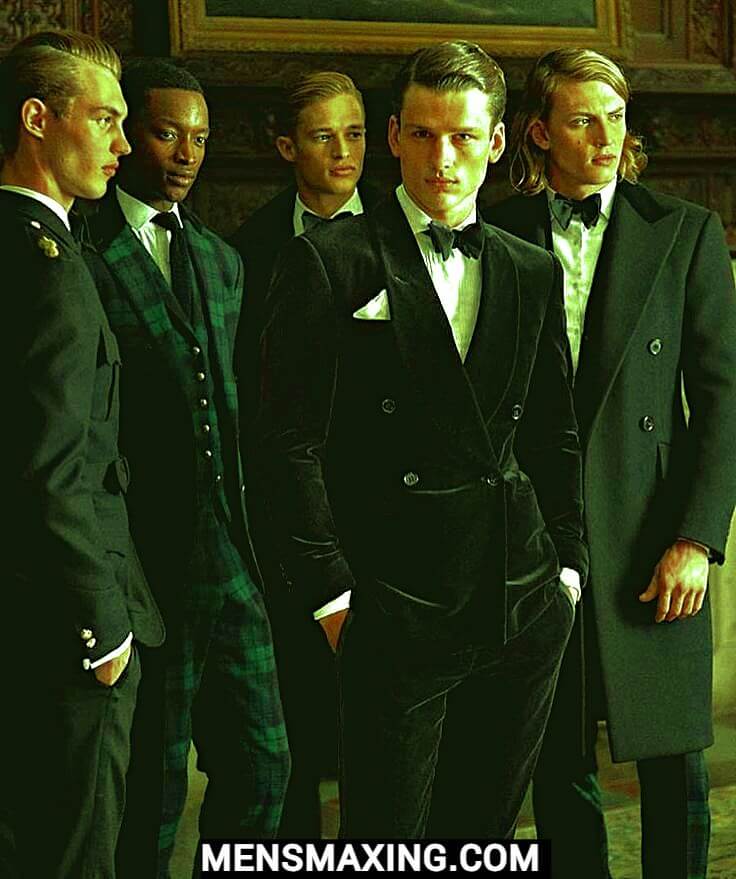
The Old Money aesthetic is an embodiment of 'quiet luxury,' focusing on timeless, high-quality, and understated pieces rather than trend-driven, logo-heavy fashion. It's about investing in a wardrobe that exudes sophistication and longevity. Achieving this coveted style without the astronomical price tags of heritage brands is made possible with the Old Money CNFANS Spreadsheet, a curated resource for finding top-tier, affordable alternatives that capture the essence of classic elegance.

Table of Contents
1. What Defines the Old Money Aesthetic?
2. How to Cultivate a Quiet Luxury Wardrobe?
3. Building Your Foundational Wardrobe: Key Pieces to Source
4. Why is the Old Money CNFANS Spreadsheet an Essential Tool?
5. Old Money Style for Different Seasons
6. Which Accessories Complete the Look?
7. The Art of Grooming and Presentation
8. Distinguishing Old Money from Fleeting Trends
9. Avoiding Common Mistakes in Emulating the Style
10. Frequently Asked Questions about the Old Money Look
What Defines the Old Money Aesthetic?
The "old money" or "quiet luxury" look is less about displaying wealth and more about embodying a tradition of refined taste. It’s a sartorial philosophy rooted in the principle of longevity over novelty. This style whispers elegance rather than shouting for attention, prioritizing impeccable craftsmanship, superior materials, and classic silhouettes that have stood the test of time. It communicates a sense of confidence that doesn't require validation from overt branding or logos.
At its heart, this aesthetic is about curating a collection of garments that are both functional and beautiful, pieces that will look as appropriate in ten years as they do today. It favors a subtle and harmonious appearance, where each item complements the others seamlessly. This approach is a deliberate move away from the fast-fashion cycle of constant consumption, focusing instead on acquiring fewer, better things. The ultimate goal is to create a personal uniform fatores of effortless sophistication.
Beyond Wealth: A Philosophy of Timelessness
This style transcends mere financial status; it is a mindset. It's about appreciating the history and craftsmanship behind a garment. Think of a perfectly tailored blazer, a cashmere sweater passed down through generations, or a pair of leather loafers that have aged beautifully. These items carry stories and represent a commitment to quality. The philosophy is to invest in your appearance in a way that is sustainable, elegant, and deeply personal. It's about looking put-together without appearing as if you've tried too hard.
The Core Tenets: Quality, Fit, and Discretion
Three pillars support the entire old money framework. Quality is non-negotiable. This refers to the fabric, the stitching, and the construction of the garment. Natural materials like wool, cashmere, silk, linen, and high-grade cotton are preferred. Fit is paramount. An inexpensive, perfectly tailored suit will always look more luxurious than an ill-fitting designer one. Garments should drape beautifully and flatter the wearer's physique without being restrictive or overly revealing. Finally, discretion is key. Logos, if present at all, are minuscule and often hidden. The value of the piece is inherent in its quality, not its brand name.
How to Cultivate a Quiet Luxury Wardrobe?
Developing a quiet luxury wardrobe is a thoughtful process of selection and refinement. It begins with a shift in purchasing habits, moving from impulsive, trend-based buys to considered, long-term investments. The focus is on building a versatile and cohesive collection where pieces can be mixed and matched effortlessly. This requires-a keen eye for detail and-a commitment to a specific sartorial vision.
Start by auditing your current wardrobe. Identify pieces that align with the principles of timelessness and quality, and note the gaps. This is not about a complete overhaul overnight but a gradual evolution. The aim is to create a core of high-performing staples that form the backbone of your daily-dress, supplemented by a few select items that add personality without compromising on elegance.
Mastering the Neutral Color Palette
The foundation of the old money look is a sophisticated and versatile color palette. It revolves around neutrals that are easy to combine and always look chic. Think of shades like beige, cream, ivory, taupe, navy, charcoal grey, and soft white. These colors create a serene and harmonious base. Occasional pops of muted color, such as burgundy, forest green, or dusty blue, can be introduced, but a neutral-dominant wardrobe ensures maximum versatility and timeless appeal.
Prioritizing Natural Fabrics and Superior Textures
The feel of a garment is as important as its look. Quiet luxury is communicated through the richness of its textures. Prioritize natural fibers known for their comfort, durability, and graceful aging. In winter, this means embracing the softness of cashmere, the warmth of merino wool, and the structure of tweed. For summer, opt for the breathability of linen, the crispness of poplin cotton, and the fluidity of silk. These materials not only feel better against the skin but also drape more elegantly and hold their shape over time.
Cassiopeia
The Importance of Impeccable Tailoring
Nothing signifies quality and attention to detail like a perfect fit. Mass-produced clothing is designed for a generic body shape, but a-few small alterations can transform a garment from average to exceptional. Investing in a good tailor is essential. Trousers should have the correct break, jacket sleeves should show a sliver of shirt cuff, and dresses should skim the body without clinging. Impeccable tailoring ensures that your clothes work for your body, creating a polished and bespoke silhouette.
Building Your Foundational Wardrobe: Key Pieces to Source
A functional and timeless wardrobe is built upon a selection of core, high-quality essentials. These are the versatile workhorses of your closet that can be styled in countless ways for various occasions. Sourcing these items is the first practical step toward embodying the old money aesthetic. The focus should be on classic cuts and superior materials that will endure for years.
The following table outlines some of the most critical pieces to acquire. These items form a cohesive foundation, allowing for effortless and elegant dressing day after day. Finding high-quality versions of these staples is made simpler with resources that curate the best available options.
| Category | Essential Item | Key Features |
|---|---|---|
| Outerwear | Trench Coat / Wool Overcoat | Neutral color (beige, navy, camel), classic cut, quality hardware, natural fibers. |
| Knitwear | Cashmere or Merino Wool Sweater | Crewneck or V-neck, neutral shades (grey, navy, cream), soft to the touch. |
| Tops | Crisp Cotton/Oxford Shirt | White and light blue, perfect fit, high-quality cotton. |
| Trousers | Tailored Trousers / Chinos | Wool, cotton, or linen blend; neutral colors; impeccable fit. |
| Blazers | Navy or Tweed Blazer | Structured shoulders, single or double-breasted, quality buttons. |
| Footwear | Leather Loafers or Brogues | High-quality leather, classic design (penny, tassel, or Belgian), durable sole. |
Why is the Old Money CNFANS Spreadsheet an Essential Tool?
The greatest challenge in adopting the old money aesthetic is sourcing high-quality, logo-free pieces without the designer price tag. Heritage brands like Loro Piana or Brunello Cucinelli are the gold standard, but their cost is prohibitive for most. This is precisely where a specialized resource becomes invaluable. The Old Money CNFANS Spreadsheet is the definitive tool for bridging this gap, offering a meticulously curated pathway to achieving the look affordably.
This is not merely a random list of items. It is a professionally assembled collection of finds that have been vetted for their adherence to the core principles of quiet luxury. The spreadsheet empowers users to access a world of high-caliber alternatives that mirror the quality, cut, and fabric of their high-end counterparts, all without any conspicuous branding. It is the modern solution for the discerning individual who values a timeless aesthetic.
Bridging the Gap Between Aspiration and Affordability
The spreadsheet demystifies the process of finding 'stealth wealth' items. It does the heavy lifting of sifting through countless online storefronts to identify pieces that meet a strict set of criteria: superior materials, classic silhouettes, and excellent craftsmanship. This allows you to invest in a cashmere-like sweater or a perfectly cut linen shirt for a fraction of the luxury retail cost, making a sophisticated wardrobe accessible, not just aspirational.
Curated Selections for a Discerning Eye
What is the main benefit of this curation? It saves you time and reduces the risk of making a poor purchase. Each entry in the Old Money CNFANS Spreadsheet is chosen for its alignment with the aesthetic. You won't find trendy, logo-emblazoned pieces. Instead, you will discover timeless blazers, elegant knitwear, and classic leather goods that form the very foundation of a quiet luxury wardrobe. It is like having a personal shopper who specializes in finding understated, high-quality gems.
Old Money Style for Different Seasons
A truly timeless wardrobe is adaptable. The principles of the old money aesthetic—quality fabrics, classic cuts, and a neutral palette—apply year-round, but the specific materials and layering techniques evolve with the seasons. Mastering these transitions is key to maintaining an air of effortless elegance no matter the weather.
Breezy Elegance: Spring and Summer Essentials
During warmer months, the focus shifts to light, breathable fabrics. Linen is king. Think linen shirts, trousers, and unstructured blazers in shades of white, beige, and light blue. Crisp cotton, such as in a poplin shirt or a pair of tailored chino shorts, is another staple. Footwear transitions to suede loafers, espadrilles, or leather boat shoes. The key is to stay cool and comfortable while looking impeccably put-together. A simple silk-blend polo shirt paired with well-fitting chinos is a classic example of summer sophistication.
Layered Sophistication: Autumn and Winter Staples
As the temperature drops, layering becomes an art form. This is where rich textures shine. Start with a base layer like a fine-gauge merino wool sweater or a cotton turtleneck. Add a tweed or flannel blazer for structure, and top it all off with a classic wool or-camel-hair overcoat. Corduroy trousers in-dark green or brown add a touch of-texture and warmth. For footwear, leather boots, such as Chelsea or Chukka styles, and classic brogues are both practical and stylish choices. A quality cashmere scarf is a functional and luxurious finishing touch.
Which Accessories Complete the Look?
Accessories are the finishing touches that elevate an outfit from good to great. In the old money aesthetic, accessories follow the same rules as clothing: they should be discreet, high-quality, and timeless. They add a point of interest and personality without overwhelming the overall look. Each piece should be chosen with care and for its longevity.
Understated Jewelry and Classic Timepieces
Jewelry is minimal and meaningful. A simple gold or silver chain, a signet ring, or a pair of pearl or diamond stud earrings are often all that is needed. The focus is on a few cherished pieces worn repeatedly. A classic watch with a leather strap or a simple metal bracelet is the most important piece of wristwear. It is a functional-tool and a symbol of-tradition and-precision, chosen for its heritage and-design rather than its flashiness.
Quality Leather Goods: Bags, Belts, and Shoes
Well-made leather goods are a hallmark of this style. A simple, structured leather tote or a classic satchel in black, brown, or tan is far more elegant than a trendy, logo-covered bag. Belts should be simple, made of high-quality leather, with a classic, unadorned buckle. The color of your belt should generally match the color of your leather shoes. Footwear, from loafers to boots, should be well-maintained and polished, signaling-an-attention to-detail that is central-to the-entire-aesthetic.
The Art of Grooming and Presentation
The old money aesthetic extends beyond clothing to personal grooming and overall presentation. No matter how exquisite the wardrobe, it will be undermined by unkempt hair or poor posture. This style is about a holistic approach to elegance, where the wearer's poise and self-care are just as important as their sartorial choices.
Grooming should be clean, natural, and polished. This means well-maintained hair in a classic style, clean and trimmed nails, and a healthy complexion. For men, this might mean a clean shave or a neatly trimmed beard. For women, makeup is typically minimal and natural, aiming to enhance features rather than mask them. Fragrance, if worn, should be subtle and discovered, not announced. Good posture and confident, composed body language are the final elements that tie the entire presentation together, communicating an innate sense of self-assurance.
Distinguishing Old Money from Fleeting Trends
Understanding the difference between timeless style and passing fads is crucial. Fleeting trends are often characterized by loud colors, exaggerated silhouettes, and prominent logos. They are designed for a short lifespan, encouraging constant consumption. This is the "new money" or "nouveau riche" aesthetic, which often focuses on overtly displaying wealth through recognizable luxury brands and the latest "it" items.
In contrast, the old money style is a quiet rebellion against this cycle. It finds beauty in consistency and tradition. While a trend-follower might wear a brightly colored, oversized-logo hoodie, a-proponent of-classic style would opt for-a perfectly-fitting grey cashmere-sweater. The former shouts, "Look what I can afford," while the-latter-suggests, "I-have nothing to-prove." This fundamental difference in-intent is what separates-true elegance from-mere-fashion.
Avoiding Common Mistakes in Emulating the Style
Emulating the old money aesthetic can be tricky, and several common pitfalls can cheapen the look. One of the biggest errors is wearing clothes with obvious, even if small, logos. The goal is to be anonymous in luxury. Another mistake is poor fit; even the most expensive garment looks bad if it doesn't fit properly. Always prioritize tailoring.
Trying too hard is another frequent issue. The look should feel effortless and natural, not like a costume. Avoid piling on too many classic signifiers at once—a tweed blazer, a signet ring, a club tie, and boat shoes can look more like a caricature than a genuinely stylish outfit. Finally, do not neglect the quality of your basics. A cheap, see-through t-shirt or a frayed sweater will instantly undermine the rest of your high-quality pieces. Focus on building a strong foundation.
Frequently Asked Questions about the Old Money Look
Navigating the nuances of this classic style often leads to several questions. Here are answers to some of the most common inquiries.
What is the difference between "new money" and "old money" style?
The primary difference lies in intent. "New money" style often aims to visibly display wealth through logos, hype-driven brands, and trend-focused pieces. "Old money" style, or quiet luxury, does the opposite. It prioritizes discretion, timelessness, and quality over branding, aiming for an understated elegance that suggests wealth and taste without overtly stating it.
Can you achieve this look with fast fashion?
It is extremely difficult. Fast fashion is built on a model roupas of low-quality materials, poor construction, and fleeting trends—the antithesis of the old money ethos. While you might find a piece with a classic silhouette, it will lack the durability, fabric quality, and drape of a well-made garment. A better approach is to use resources like the Old Money CNFANS Spreadsheet to find high-quality, affordable alternatives that are built to last.
How do I ensure the quality of items found in a spreadsheet?
The value of a curated spreadsheet is that the items have been pre-vetted. Selections are often based on community reviews, seller reputation, and detailed photos that show fabric texture and stitching. The curation process filters out low-quality options, directing you toward finds that are known for their superior construction and materials, thereby minimizing the risk and maximizing the value of your purchase.