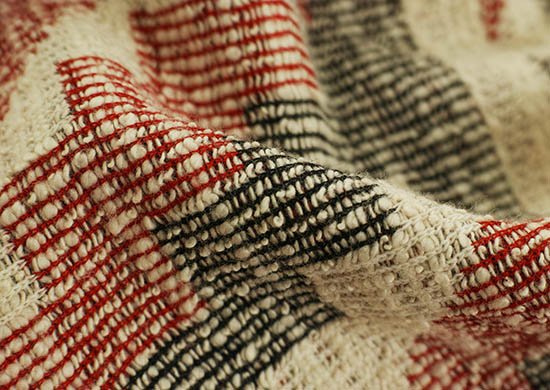
To find heavy-weight fabrics on the CNfans spreadsheet, the most effective method is to locate the 'Weight (g)' column and use the sort or filter function to arrange items from heaviest to lightest. For example, sorting the column in descending order will bring all items over 1000g, typically high-quality hoodies and jackets, to the top for easy viewing. Cross-referencing this data with keywords like "heavyweight" or "重磅" (zhòng bàng) in the item description further refines your search for premium, dense materials.

Table of Contents
- Why Does Fabric Weight Matter for Your Haul?
- What Is Considered a Heavy-Weight Fabric?
- How Can You Use the CNfans Spreadsheet to Pinpoint Heavy Items?
- Where Do You Find Verifiable Weight Information?
- Which Items Typically Feature Heavy-Weight Fabrics?
- How Do You Balance Fabric Weight with Shipping Costs?
- What Are Common Pitfalls to Avoid?
Why Does Fabric Weight Matter for Your Haul?
Fabric weight is a critical indicator of a garment's quality, durability, and intended use. For many shoppers, a heavier fabric often signifies a more premium product. A substantial hoodie or a thick pair of jeans feels more robust, suggesting it will hold its shape better, withstand more wear, and provide superior warmth. The "hand feel" or drape of a garment is directly influenced by its weight; heavier materials tend to hang more elegantly and show fewer wrinkles.
Beyond the tactile sense of quality, weight plays a practical role. Heavier fabrics are inherently more durable. The denser weave and thicker yarns are more resistant to tearing and abrasion, promising a longer lifespan for the item. This is especially important for staple wardrobe pieces like outerwear, denim, and sweatshirts that you expect to last for years. Understanding an item's weight before purchase helps you set realistic expectations about its feel, function, and longevity.
What Is Considered a Heavy-Weight Fabric?
Defining "heavy-weight" requires establishing benchmarks, as the term is relative to the type of garment. A heavy t-shirt is vastly different from a heavy winter coat. The standard industry measurement is GSM (Grams per Square Meter), but for practical shopping on spreadsheets, we often refer to the total item weight in grams (g).
This table provides a general reference for what constitutes a light, mid, and heavy-weight garment for common apparel categories. Use these figures as a starting point when filtering the CNfans spreadsheet. An item falling into the 'Heavy' category is a strong candidate for a premium, thick fabric.
| Garment Type | Light-Weight | Mid-Weight | Heavy-Weight |
|---|---|---|---|
| T-Shirt | 150g - 220g | 220g - 280g | 280g+ |
| Hoodie / Sweatshirt | 500g - 800g | 800g - 1000g | 1000g+ |
| Jeans / Denim Pants | 500g - 700g | 700g - 900g | 900g+ |
| Jacket / Outerwear | 800g - 1200g | 1200g - 1600g | 1600g+ |
How Can You Use the CNfans Spreadsheet to Pinpoint Heavy Items?
The CNfans spreadsheet is a powerful discovery tool, meticulously organized to help you find exactly what you are looking for. Its structure is your greatest asset in the hunt for heavy-weight garments.
Locating and Analyzing the 'Weight' Column
The most direct piece of data is the item's weight. On the spreadsheet, scan the columns until you find the one labeled 'Weight (g)' or a similar variation. This column contains the measured weight of the item in grams, typically recorded when a previous order was processed at the warehouse. This data is your primary clue. A higher number in this column directly corresponds to a heavier product.
When you see a weight that looks promising based on the reference table above, pay closer attention to that item. For instance, a hoodie listed at 1250g is a very strong indicator of a thick, heavy-weight fabric, while one listed at 600g would suggest a much lighter material.
Utilizing Sort and Filter Functions for Weight
Manually scanning thousands of rows is inefficient. The proper technique is to use the spreadsheet's built-in functions. If you are using Google Sheets or Excel, you can quickly isolate the heaviest items. First, select the entire data set. Then, navigate to the 'Data' menu and choose 'Sort range' or 'Filter'.
To find the heaviest items, apply a sort to the 'Weight (g)' column in descending order (Z-A or Largest to Smallest). This action will immediately re-organize the entire sheet, bringing the heaviest items straight to the top. This simple action transforms the spreadsheet from a static list into a dynamic tool for quality-focused shopping.
Searching for Weight-Related Keywords
Weight data may not always be present or may be an estimate. To broaden your search, use the 'Find' function (Ctrl+F or Cmd+F) to search for specific keywords within the item titles or descriptions. Sellers often use descriptive terms to highlight the quality of their products.
Effective English keywords include "heavy," "heavyweight," "thick," and "oversized." However, a significant number of listings use Chinese. The most important keyword to search for is 重磅 (zhòng bàng), which translates directly to "heavy pound" and is the standard term for high-quality, heavy-weight fabric. Other useful terms include 加厚 (jiā hòu), meaning "thickened," and 重工 (zhòng gōng), which implies "heavy-duty" or complex construction, often associated with heavier materials.
Where Do You Find Verifiable Weight Information?
While the spreadsheet is an exceptional starting point, the weight listed is often based on a previous order of a specific size. The actual weight of your specific item is only confirmed once it arrives at the agent's warehouse. This is a crucial step for verification.
The Role of Pre-Shipment QC Photos
Once your item arrives at the CNfans warehouse, you will receive a set of pre-shipment Quality Control (QC) photos. These images are not just for checking logos and stitching. Look for photos that show the item on a scale. This provides indisputable proof of the item's exact weight, confirming whether it meets your heavy-weight expectations. If a weight photo isn't automatically provided, you can request one. These photos help you make a final decision before committing to international shipping.
Checking Agent Warehouse Data
In your user dashboard on the CNfans platform, each item stored in your warehouse will have its details listed, including the verified weight. This number is the most accurate data point you will receive. It's the true weight of the item you purchased, in the size you ordered. Always compare this final warehouse weight against the initial spreadsheet estimate to refine your understanding for future purchases.
Which Items Typically Feature Heavy-Weight Fabrics?
Certain categories of clothing are more likely to be produced with heavy-weight materials, as it aligns with their function and aesthetic. When browsing, focusing your search on these types of items can increase your chances of finding high-quality, substantial pieces.
Key items to look for include:
- Hoodies and Sweatshirts: This is the most common category where "heavy-weight" is a mark of quality. Look for items marketed as "French terry" or "loopback" in high weights.
- Denim: Both jeans and denim jackets are often found in heavier weights for durability. Raw or selvedge denim is almost always heavy.
- Outerwear: Items like bomber jackets, varsity jackets, and winter coats are naturally heavy due to their construction and insulation.
- Knitwear: Certain cardigans and sweaters, especially those made from thick wool or cotton yarns, can be quite substantial.
- Flannel Shirts and Cargos: Workwear-inspired items often prioritize durability, leading to the use of thicker, heavier fabrics.
How Do You Balance Fabric Weight with Shipping Costs?
A primary consideration for any international shopper is the cost of shipping, which is almost always calculated by weight (or volumetric weight). A haul full of heavy-weight items will naturally be more expensive to ship than a haul of lighter garments. Therefore, a strategic approach is necessary.
Before finalizing a large purchase, it is essential to get an estimate of your shipping costs. The CNfans platform provides a shipping calculator that allows you to input the total estimated weight of your items to see projected costs across different shipping lines. This enables you to budget effectively. You might decide to balance your haul by mixing a few prized heavy-weight pieces with some lighter items to manage the overall cost. Prioritizing which items *need* to be heavy (like a jacket) versus which can be lighter (like a t-shirt) is a smart way to build a quality haul without an unexpectedly high shipping bill.
What Are Common Pitfalls to Avoid?
While hunting for heavy-weight gems, it's easy to make a few common mistakes. Being aware of these can save you from disappointment and help you make more informed choices.
One major pitfall is assuming weight always equals quality. While a strong correlation exists, an extremely heavy item could be made from a lower-grade, coarse material. Always cross-reference weight with QC photos of the fabric texture and construction details. Another issue is ignoring material composition. A 1200g cotton hoodie is very different from a 1200g polyester-blend hoodie. The material affects breathability, comfort, and how the item ages. Finally, remember to account for packaging weight. The final shipping weight will include the box and any protective materials, adding a few hundred grams to the total.