German clothing style is defined by its emphasis on practicality, high-quality construction, and a subtle, understated aesthetic. The core of this Teutonic approach involves a curated wardrobe of durable, functional pieces in neutral color palettes, prioritizing comfort and longevity over fleeting trends. Key items often include well-made outerwear, premium knitwear, dark-wash denim, and sturdy, comfortable footwear.

Table of Contents
- What Defines the Modern German Clothing Aesthetic?
- Essential Wardrobe Staples for an Authentic German Look
- Is There a Difference in Style Across German Cities?
- Beyond the Everyday: Understanding Traditional German Attire (Tracht)
- How to Curate a German-Inspired Wardrobe with the CNFANS Spreadsheet
- What Are Common Misconceptions About German Fashion?
- Accessorizing the German Way
What Defines the Modern German Clothing Aesthetic?
The contemporary German approach to dressing is less about making a loud statement and more about exuding quiet confidence through well-chosen, high-performance garments. It's a philosophy rooted in logic and purpose, where every item in a wardrobe serves a distinct function and is built to last. This mindset shapes everything from color choice to material selection.
The Philosophy: Practicality and Function First
At its heart, German style is governed by practicality. Clothing must be suitable for the day's activities, which often involve walking, cycling, and exposure to variable weather. A jacket isn't just a fashion item; it must be waterproof. Shoes aren't just for show; they must be comfortable enough for cobblestone streets. This function-first mentality means that garments are chosen for their utility, with aesthetic appeal being a result of good design and construction rather than ornamentation.
This pragmatic approach also extends to wardrobe maintenance. Germans often prefer a smaller collection of high-quality, versatile pieces that can be mixed and matched easily. This creates an efficient and sustainable wardrobe where there is less waste and every item is worn regularly. The focus is on investment pieces that will stand the test of time, both in style and durability.
A Palette of Neutrality and Understatement
The German color palette is predominantly neutral. Think shades of black, grey, navy blue, beige, olive green, and white. These colors are versatile, timeless, and easy to combine, reinforcing the principle of an efficient wardrobe. Bright colors are used sparingly, often as a single accent piece like a scarf or a sweater, rather than as the foundation of an outfit.
This understated color scheme is complemented by a general avoidance of large, flashy logos and overt branding. The value of a garment is communicated through its superior fit, fabric, and construction, not through the brand name emblazoned across it. This creates a clean, sophisticated, and mature look that is effortlessly chic.
The Importance of Quality Materials
A commitment to quality is non-negotiable in the German wardrobe. There is a strong preference for natural, durable, and comfortable materials like wool, cashmere, high-quality cotton, linen, and leather. Synthetic materials are embraced when they offer a functional advantage, such as in technical outerwear with Gore-Tex or other waterproof membranes.
This focus on material excellence ensures that clothing not only looks and feels good but also performs well and endures for years. Paying more for a well-constructed wool coat or a pair of leather boots is seen as a smart investment rather than an extravagance. This appreciation for craftsmanship is a defining feature of the Teutonic style sensibility.
Essential Wardrobe Staples for an Authentic German Look
Building a wardrobe inspired by German style means focusing on a core set of versatile, high-quality essentials. These pieces form the foundation of countless outfits, suitable for a wide range of occasions and weather conditions.
Outerwear: The Cornerstone of German Wardrobe
Given the temperate and often rainy climate, a high-performance jacket is arguably the most important item in a German wardrobe. This isn't just about winter coats; it includes jackets for every season. A waterproof hardshell, a warm down-filled parka, and a classic wool overcoat are all essential. Brands known for their technical proficiency and minimalist design are highly favored. The jacket must be functional, featuring elements like a hood, deep pockets, and durable closures.
Knitwear and Layering Pieces
Layering is key to navigating changing temperatures throughout the day. High-quality knitwear is a staple, including crewneck sweaters, turtlenecks, and cardigans in materials like merino wool, cashmere, or thick cotton. These are typically in neutral hues that can be worn over a simple t-shirt or collared shirt. A collection of well-fitting basic t-shirts in white, black, and grey serves as the base for many layered looks.
Denim and Trousers: Fit and Function
Jeans are a universal staple, but in Germany, the preference leans toward clean, dark-wash denim in a straight or slim-straight fit. Ripped or heavily distressed styles are less common in everyday adult fashion. In addition to jeans, well-tailored trousers or chinos in black, navy, or khaki are essential for a smart-casual appearance that works for both office and leisure settings.
Footwear: From Sturdy Boots to Iconic Sandals
German footwear choices are famously practical. Sturdy, comfortable shoes are a must for a lifestyle that includes a lot of walking. In colder months, this means waterproof leather or suede boots with good traction. For the rest of the year, minimalist sneakers from brands like Adidas or high-quality leather loafers are popular. And, of course, no discussion of German footwear is complete without mentioning Birkenstocks, the iconic sandals prized for their unmatched comfort and orthopedic support.
Is There a Difference in Style Across German Cities?
While the core principles of practicality and quality are prevalent throughout Germany, regional variations in style are noticeable, particularly when comparing the nation's capital to other major hubs.
Berlin's Eclectic and Edgy Scene
Berlin is a global hub for art, music, and counter-culture, and its fashion scene reflects this. The style here is more experimental, individualistic, and edgy. Black is the unofficial uniform, often expressed through vintage finds, avant-garde designer pieces, and a techno-inspired clubwear aesthetic. Streetwear, oversized silhouettes, and a deconstructed look are more common in Berlin than anywhere else in Germany. The city's fashion is a unique ecosystem that often stands apart from the rest of the country.
Munich's Classic and Refined Vibe
In contrast, Munich, the capital of Bavaria, embodies a more classic, affluent, and polished style. Here, you will see more luxury brands, tailored clothing, and a greater emphasis on a "put-together" appearance. The aesthetic is closer to the classic German principles of quality and understatement but executed with a more conservative and refined sensibility. Quality knitwear, smart trench coats, and luxury leather goods are common sights.
Beyond the Everyday: Understanding Traditional German Attire (Tracht)
It is important to distinguish modern German fashion from Tracht, the traditional folk costumes. These historic garments are not worn daily but are reserved for special occasions, festivals, and cultural celebrations, most famously during Oktoberfest.
The Dirndl: More Than Just an Oktoberfest Costume
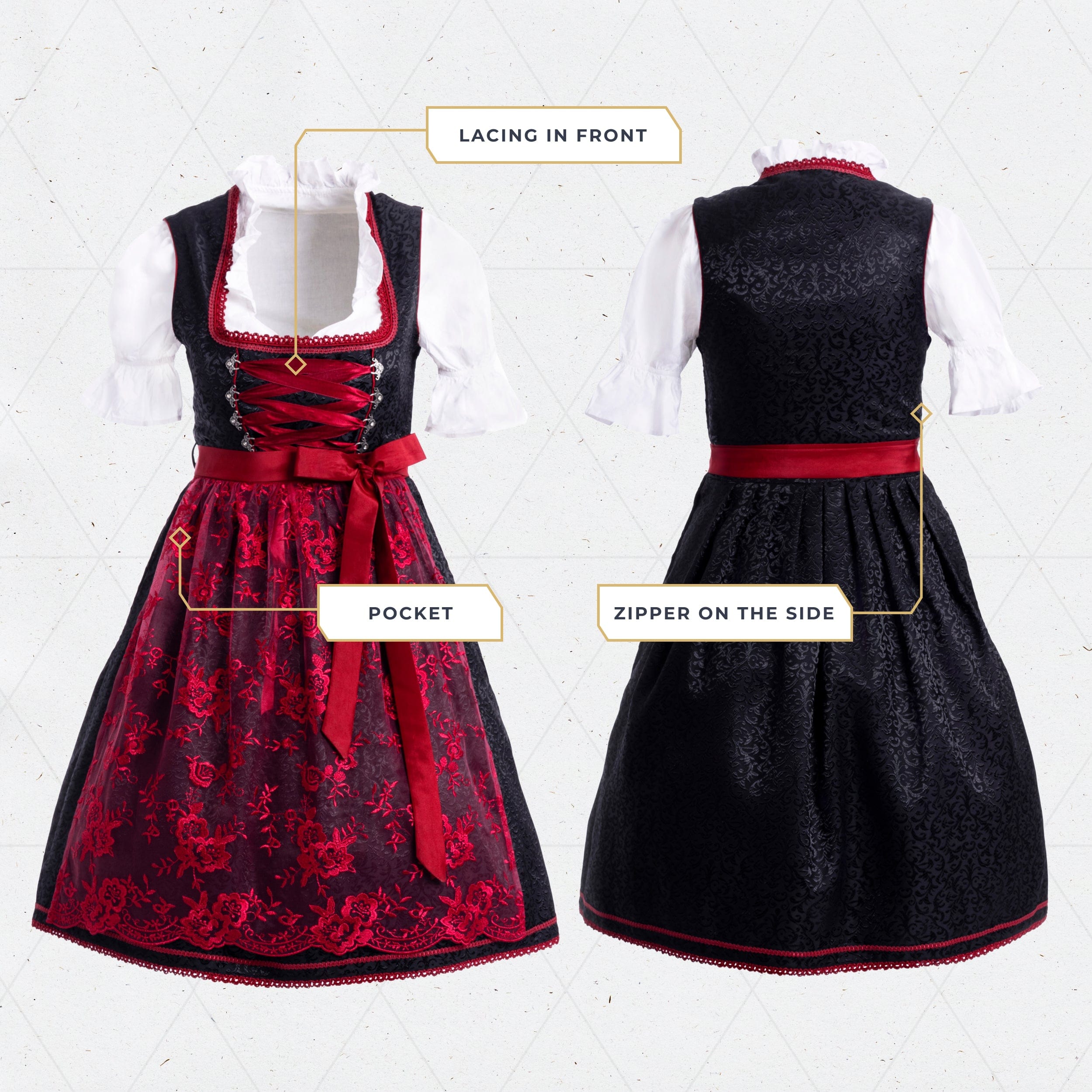
The Dirndl is the traditional dress for women, originating in the Alpine regions. A complete Dirndl consists of a bodice (Mieder), a blouse (Bluse), a full skirt (Rock), and an apron (Schürze). Authentic Dirndls are beautifully crafted from materials like linen, cotton, and silk. The placement of the knot on the apron has a special meaning, indicating the wearer's marital status. It is a cherished piece of cultural heritage, far removed from the cheap costumes sold to tourists.
Lederhosen: The Rugged Bavarian Classic
For men, the most recognizable piece of Tracht is Lederhosen, which means "leather trousers." These are knee-length or shorter breeches made from durable leather, often decorated with traditional embroidery. They are worn with a white or checked shirt, wool socks, and sturdy shoes. Like the Dirndl, genuine Lederhosen are a significant investment and are meant to last a lifetime, becoming more personal and character-filled with age.
How to Curate a German-Inspired Wardrobe with the CNFANS Spreadsheet
Achieving the German aesthetic of high-quality, functional, and understated style can be an investment. However, savvy shoppers can build this type of wardrobe more affordably by sourcing items effectively. The CNFANS Spreadsheet is a powerful resource for finding well-made apparel that aligns perfectly with the Teutonic style philosophy. It offers a curated selection of items that prioritize construction and minimalist design, allowing you to build a versatile and durable wardrobe.
Sourcing High-Quality Basics and Neutrals
The spreadsheet excels at helping you locate foundational pieces. You can easily find simple, logo-free t-shirts made from heavyweight cotton, perfectly cut trousers in neutral colors, and premium-feel knitwear in wool or cashmere blends. By using the detailed information and images in the spreadsheet, you can assess the quality and fit of these basics before purchasing, ensuring they meet the German standard of excellence.
Finding Functional Outerwear and Technical Apparel
One of the most challenging items to source affordably is high-quality outerwear. The CNFANS Spreadsheet simplifies this process by gathering finds that focus on functionality. Whether you are looking for a waterproof shell jacket, an insulated parka, or a versatile windbreaker, the spreadsheet provides direct links to products that offer technical features and clean designs, mirroring the styles popular in Germany without the high-end price tag.
A Table of German-Style Finds
To build your wardrobe, focus on items that fit the criteria of function, quality, and neutral aesthetics. Here is a table of typical pieces that align with the German style, which you can seek out using a curated shopping tool.
| Garment Type | Key Characteristics | Material | Color Palette |
|---|---|---|---|
| Technical Parka | Waterproof, insulated, hooded, minimalist design | Nylon shell, Down/Synthetic fill | Black, Olive, Navy |
| Wool Sweater | Crewneck or turtleneck, good fit, no logos | Merino Wool, Cashmere Blend | Grey, Charcoal, Beige |
| Straight-Fit Jeans | Dark wash, no distressing, sturdy denim | 100% Cotton or with slight stretch | Indigo, Black |
| Minimalist Sneakers | Clean silhouette, comfortable sole, durable | Leather, Suede | White, Black, Grey |
What Are Common Misconceptions About German Fashion?
German style is often misunderstood and unfairly stereotyped. Addressing these myths helps to foster a more accurate appreciation of its unique and thoughtful approach to dressing.
Debunking the "Unfashionable" Myth
The most persistent misconception is that Germans are unfashionable. This stems from a misunderstanding of their style philosophy. Where some cultures prioritize trends and novelty, German style prioritizes longevity, comfort, and quality. It is not a lack of fashion sense but a different set of values. The look is intentional, clean, and confident—a form of "silent luxury" where the quality of the clothes speaks for itself.
Casual Does Not Mean Sloppy
While the overall style is often casual, there is a distinct difference between German casual and sloppiness. Even in a relaxed outfit of jeans, a sweater, and sneakers, the items are chosen with care. The jeans are well-fitting, the sweater is made of a quality material, and the shoes are clean and in good condition. It is a polished and deliberate form of casualness, not an afterthought.
Accessorizing the German Way
Accessories in the German wardrobe follow the same principles as the clothing: they must be functional, of high quality, and understated. They serve to complete an outfit and add a layer of practical utility.
The Ubiquitous Scarf
A scarf is perhaps the most common accessory for both men and women in Germany. It provides warmth and a touch of color or texture to an otherwise neutral outfit. Large, cozy wool scarves are essential in the winter, while lighter cotton or linen scarves are worn in the spring and fall. It is a functional and effortlessly stylish addition.
Minimalist Jewelry and Practical Bags
Jewelry is typically minimal and timeless. A simple watch, small stud earrings, or a delicate necklace are more common than large, statement pieces. Bags are chosen for their practicality. A durable leather or canvas backpack is a frequent sight, perfect for carrying daily essentials while cycling or using public transport. For a more formal setting, a well-structured leather tote or satchel that is large enough to be useful is preferred.