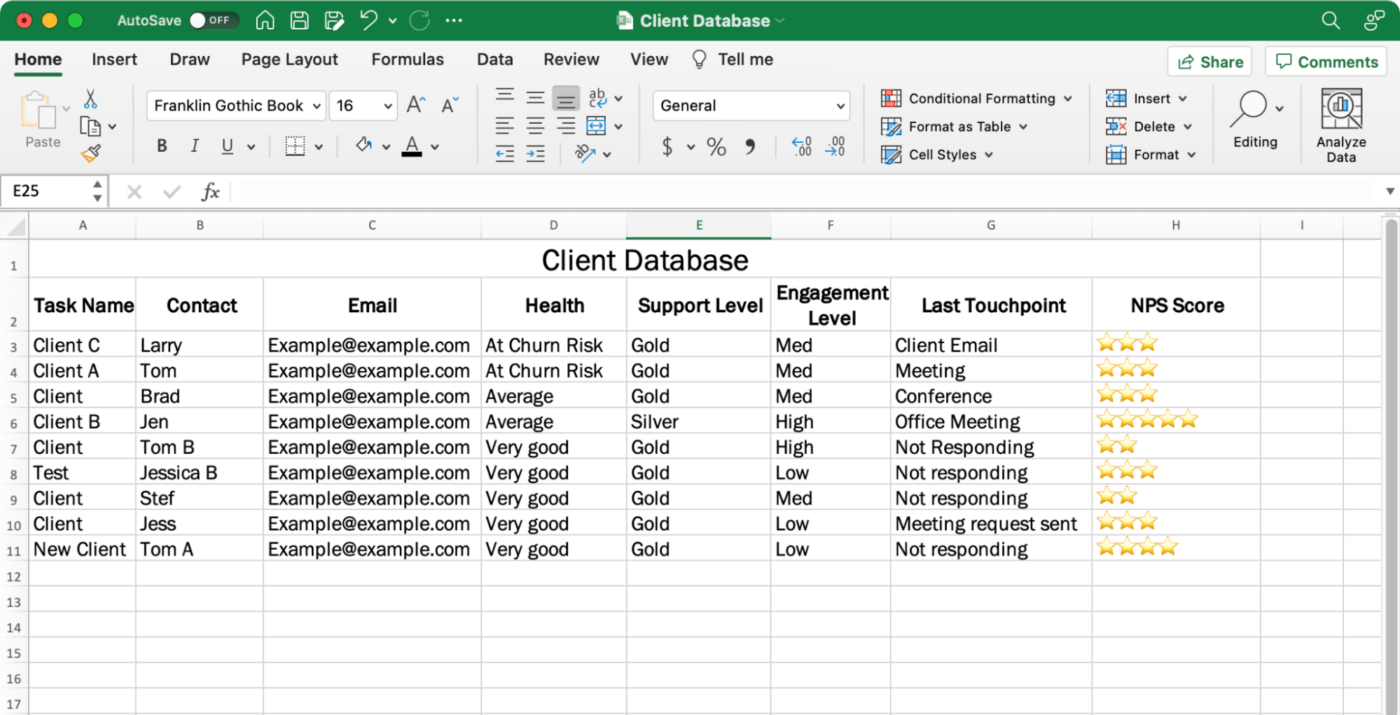
The CNFANS Spreadsheet for Excel is a specialized digital workbook meticulously designed to help users consolidate, track, and analyze their online shopping orders from various international agents. It automates critical calculations for currency conversion, shipping weights, and total costs, providing a single, centralized dashboard for managing complex purchases from platforms like Taobao, Weidian, and 1688. This tool transforms chaotic shopping data into an organized, actionable financial record.

What Is the CNFANS Spreadsheet for Excel?
The CNFANS Spreadsheet Excel is a purpose-built template engineered for enthusiasts of international online shopping. It's specifically tailored for consumers who purchase goods from Chinese e-commerce sites through intermediary services, commonly known as shopping agents (e.g., Pandabuy, Sugargoo, CSSBuy). Unlike a generic expense tracker, this workbook is pre-loaded with formulas and structured layouts designed to handle the unique complexities of this purchasing method.
At its core, the spreadsheet serves as a master log for all your purchases. It provides a unified system to record every item, from the moment you place the order with an agent to its final arrival at your doorstep. It addresses the common organizational nightmare of tracking multiple orders across different agents, each with its own tracking numbers, quality control (QC) photos, and shipping details. By centralizing this information, it provides a clear, high-level view of your entire shopping activity and pending deliveries.
Why Traditional Spreadsheets Fall Short for International Hauls
Many shoppers attempt to create their own tracking systems in a standard Excel or Google Sheet, but they often encounter significant limitations. A blank spreadsheet requires extensive setup, manual formula creation, and constant maintenance, which can be both time-consuming and prone to errors. The process of buying through agents involves variables that generic templates simply aren't equipped to handle effectively.
The Challenge of Multiple Currencies and Agents
One of the primary difficulties is managing transactions in multiple currencies. Items are typically priced in Chinese Yuan (CNY), while agent fees and international shipping are billed in US Dollars (USD) or another local currency. Manually converting each transaction using fluctuating exchange rates is tedious and often inaccurate. Furthermore, juggling orders between two or more agents means dealing with separate wallets, warehouses, and communication channels, making a consolidated financial picture nearly impossible to achieve without a specialized tool.
Inaccurate Shipping and Weight Estimations
International shipping costs are notoriously complex, calculated based on either actual weight or volumetric weight. A simple spreadsheet struggles to manage these different calculation methods. Estimating the final shipping cost for a "haul" (a consolidated parcel of multiple items) is a common headache. Shoppers often miscalculate, leading to unexpected expenses when it's time to ship. A dedicated system can incorporate estimated weights for each item and apply shipping line rates, providing a much more accurate forecast of the final landed cost.
Core Features That Streamline Your Shopping Data
The CNFANS Spreadsheet is packed with functionalities that directly address the pain points of international shopping. These built-in features automate what would otherwise be a demanding manual process, saving you time and improving accuracy.
Key functionalities include multi-agent tracking, which allows you to log and differentiate orders from various services in one place. The automatic currency conversion is a standout feature, instantly translating item prices from CNY to your home currency based on a rate you can update. This provides immediate clarity on what you're *really* spending. The system also includes detailed cost breakdowns, separating the item price from domestic shipping, agent fees, and international parcel costs for a transparent view of your expenditures.
| Feature | Description | Primary Benefit |
|---|---|---|
| Multi-Agent Support | Log and categorize items purchased through different shopping agents. | Centralizes all orders into one dashboard, eliminating the need to check multiple websites. |
| Automated Currency Conversion | Converts item prices from CNY to USD, EUR, or other currencies automatically. | Provides an accurate, real-time understanding of costs without manual calculations. |
| Weight & Shipping Calculation | Sums the weight of all items in a haul and estimates shipping costs based on selected lines. | Helps in budget forecasting and deciding when to ship a parcel for maximum value. |
| Dynamic Status Tracker | Track the lifecycle of each item from 'Ordered' to 'Warehouse' to 'Shipped' and 'Received'. | Offers a clear, at-a-glance view of where every item is in the procurement process. |
| Data Visualization Dashboard | Includes charts and graphs that break down spending by category, agent, and month. | Transforms raw data into actionable insights about your purchasing habits. |
How to Set Up Your CNFANS Spreadsheet: A Step-by-Step Approach
Getting started with the spreadsheet is a straightforward process designed to get you organizing your data quickly. The intuitive layout guides you through the necessary steps, even if you have limited experience with Excel. The initial setup is a one-time process that personalizes the workbook to your specific needs.
Initial Configuration and Personalization
Upon opening the file, your first task is to configure the basic settings. This typically involves entering the current CNY-to-your-currency exchange rate. The sheet includes a dedicated cell for this, and all subsequent financial calculations will reference this rate. You can also customize lists such as the names of the shopping agents you use, the shipping lines you prefer (e.g., EMS, SAL, DHL), and the item categories you frequently purchase (e.g., shoes, t-shirts, accessories). This personalization ensures the dropdown menus throughout the sheet are tailored to your shopping behavior.
Entering Your First Item
Adding a new purchase is simple. You navigate to the main data entry tab and fill out a new row. Each column corresponds to a piece of information about the item. You'll input details like:
- The item name or description.
- A link to the product page (Taobao, Weidian, etc.).
- The price in CNY.
- The estimated weight (if known).
- The shopping agent used for the purchase.
As you enter this data, the spreadsheet's formulas begin working instantly. The item's price is automatically converted to your home currency, giving you immediate financial feedback.
Updating Order Status and Shipping Information
As your order progresses, you update its status using a simple dropdown menu. You can change the status from 'Ordered' to 'Warehouse' once the agent confirms its arrival and provides QC photos. When you decide to ship a group of items together in a parcel, you assign them a parcel number within the spreadsheet.
You then move to the shipping section to log the parcel's details, including the total weight, the shipping line chosen, and the final international shipping cost. The spreadsheet will automatically calculate the shipping cost per item within that parcel, giving you the true, all-in cost for each product you've bought.
Gaining Financial Clarity with Automated Calculations
Perhaps the most powerful aspect of the CNFANS Spreadsheet is its ability to demystify the true cost of your international purchases. The automated calculations remove guesswork and provide a precise financial breakdown, empowering you to make smarter purchasing and shipping decisions.
Understanding True Item Cost
The price you see on a Taobao listing is only the beginning. The "true cost" of an item includes the product price, domestic shipping to the agent's warehouse, the agent's service fee, and its share of the international shipping fee. The spreadsheet automatically calculates and displays this final, landed cost for each item.
This clarity is invaluable. You might discover that a seemingly cheap item becomes expensive once all associated costs are factored in. This information allows you to assess the real value of a purchase and helps refine your budget for future hauls. It transforms you from a simple buyer into a savvy financial manager of your own hobby.
Mastering Shipping Fee Management
Shipping is often the largest secondary expense. The spreadsheet provides the tools to manage it effectively. By inputting the rates for different shipping lines, you can use the workbook as a simulator. Before committing to ship, you can see an accurate estimate of how much a parcel will cost to send via different carriers.
This allows you to answer critical questions: Is it more cost-effective to ship my 5kg haul now, or wait until it reaches 10kg? Which shipping line offers the best balance of speed and cost for my current parcel weight? By making shipping a calculated decision rather than a reactive one, you can significantly reduce your overall spending.
Visualizing Your Spending Habits with Integrated Dashboards
Raw data in rows and columns can be difficult to interpret. The CNFANS Spreadsheet transforms your shopping data into easy-to-understand visual charts and graphs on a dedicated dashboard. This analytical view provides powerful insights into your purchasing patterns at a glance.
The dashboard typically features several key visualizations. A pie chart might break down your spending by category, instantly showing you whether you spend more on footwear, outerwear, or accessories. A bar chart could compare your total expenditure across different shopping agents, helping you see which service you use most. A line graph can track your monthly spending over time, revealing trends and helping you set future budgets. This visual feedback loop is crucial for understanding where your money is going and for maintaining control over your shopping hobby.
Comparing CNFANS Spreadsheet to Manual Data Entry
When placed side-by-side with a manual tracking method, the advantages of a specialized tool become overwhelmingly clear. A manual approach is reactive and labor-intensive, whereas the CNFANS spreadsheet is proactive and automated.
With manual entry, every calculation is a separate task. You must open a currency converter, use a calculator to add up weights, and manually apportion shipping costs. Each step is an opportunity for human error. A forgotten item or a misplaced decimal point can throw off your entire budget. The CNFANS workbook eliminates these risks by integrating all calculations. You enter the raw data, and the system handles the rest, ensuring consistency and accuracy. The time saved on administrative tasks is significant, freeing you up to focus on finding items and planning your next haul.
Who Benefits Most from Using This Excel Tool?
While any international shopper can find value in better organization, this spreadsheet is particularly beneficial for specific types of buyers. If you recognize yourself in any of these profiles, the tool is likely to have a significant positive impact on your shopping experience.
- The Frequent Haul Builder: Shoppers who regularly buy multiple items and consolidate them into large parcels. The weight estimation and shipping cost forecasting are invaluable for this group.
- The Multi-Agent User: Individuals who use two or more shopping agents to find the best service or access different platforms. The spreadsheet is the only way to get a unified view of all outstanding orders.
- The Budget-Conscious Collector: Buyers who are passionate about their hobby but need to keep a close eye on their spending. The detailed cost breakdowns and visual dashboards are essential for financial management.
- The Data-Driven Shopper: People who enjoy analyzing their own habits and want to optimize their purchasing strategy, from choosing the most cost-effective agent to identifying the best time to ship.
Advanced Tips for Maximizing Your Spreadsheet's Potential
Once you are comfortable with the basic functions, you can leverage the spreadsheet for even deeper insights and organization. Use the 'Notes' column for every item. This is the perfect place to record details from QC photos, such as a small flaw, a sizing measurement, or a color discrepancy. This creates a permanent record tied to the item, which is useful for future reference or if you decide to sell the item later.
You can also use the data to analyze shipping line performance. Over time, you can compare the estimated delivery time with the actual delivery time for different carriers like EMS and SAL. This helps you build your own database of which shipping lines are most reliable for your location. Finally, periodically review the dashboard. Set a monthly reminder to check your spending charts. This regular check-in can help curb impulse buying and ensure your hobby remains sustainable and enjoyable.
Frequently Asked Questions about the CNFANS Spreadsheet
What version of Excel is required?
The spreadsheet is typically designed to be compatible with recent versions of Microsoft Excel (2016 or newer) and Microsoft 365, which support its dynamic formulas. Some features may have limited functionality in older versions or other spreadsheet software like Google Sheets.
How is my data privacy handled?
The spreadsheet is a local file saved on your computer. All the data you enter—item links, costs, personal notes—remains entirely on your device. It is not an online service, and your information is never uploaded to a server, ensuring complete privacy and control.
Can I customize the spreadsheet further?
While the core formulas are protected to prevent accidental breakage, many elements like category lists and agent names are fully customizable. Users with advanced Excel knowledge can often add their own sheets or calculations to supplement the existing template, though it's recommended to back up the original file first.
Is it difficult to update the currency exchange rate?
No, it is extremely simple. The spreadsheet has a designated cell on the main or settings page where you enter the current rate. Once you update that single cell, all financial figures throughout the entire workbook are recalculated automatically.