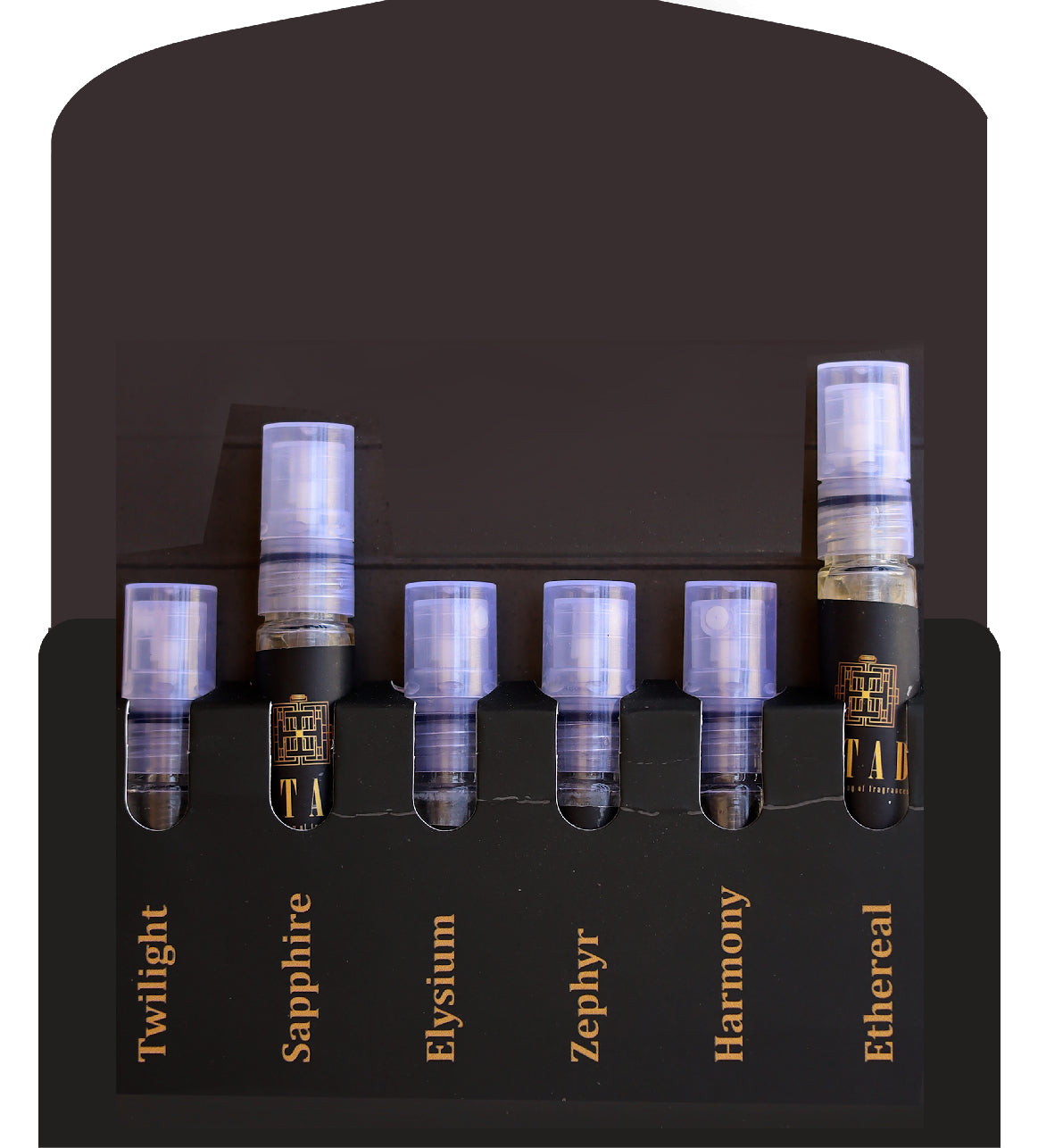
Finding your signature scent is a personal journey of discovery that involves understanding fragrance notes, identifying which scent families appeal to you, and testing how a perfume interacts with your unique skin chemistry. The CNFANS Fragrance Spreadsheet simplifies this process by organizing a vast collection of scents, allowing you to filter by notes, brands, and popularity to discover your perfect match efficiently.

What is a Signature Scent and Why Does It Matter?
A signature scent is more than just a pleasant aroma; it is an invisible part of your personal identity. It's the fragrance that people associate with you, a subtle yet powerful statement that can evoke memories and define your presence in a room. Choosing one is a deeply personal act of self-expression, similar to selecting your style of clothing or the art you hang on your walls. It communicates personality, mood, and sophistication without a single word.
The right fragrance can significantly boost confidence, act as a personal comfort, and become a memorable element of your persona. It’s the final touch to your daily routine, a sensory calling card that leaves a lasting impression. When you find a scent that truly resonates with your character and body chemistry, it feels less like something you wear and more like a natural extension of yourself.
Decoding the Language of Perfume: The Fragrance Pyramid
Every complex perfume is structured like a pyramid, composed of different layers of scents called "notes." These notes unfold over time, creating a multi-faceted and evolving aromatic experience. Understanding this structure is the first step in identifying why you are drawn to certain fragrances and not others. This composition is known as the fragrance pyramid.
Top Notes: The First Impression
The top notes are what you smell immediately upon application. They are made of small, light molecules that evaporate quickly, typically lasting for the first 5 to 15 minutes. Their purpose is to provide the initial spark and transition smoothly into the heart of the fragrance. Common top notes include bright and volatile scents like citrus (lemon, bergamot), light fruits (grapefruit, berries), and fresh herbs (basil, lavender).
Middle (Heart) Notes: The Core Character
Once the top notes fade, the middle notes emerge. Often referred to as the "heart" of the fragrance, these notes form the main body of the perfume and determine the family it belongs to. They are more rounded and complex, lasting for about 20 to 60 minutes. The heart notes are the true character of the scent, including scents such as rose, jasmine, geranium, ylang-ylang, and spices like cinnamon or nutmeg.
Base Notes: The Lasting Memory
The base notes are the final and most enduring part of the fragrance. They appear after the middle notes have started to fade and can last for six hours or more. Composed of large, heavy molecules, base notes provide depth and solidity to the perfume, creating the final, lasting impression. Rich and deep scents like vanilla, musk, sandalwood, patchouli, amber, and oakmoss are common base notes.
How to Navigate the Main Fragrance Families
To simplify the vast world of scents, fragrances are categorized into "families." Identifying which family you are naturally drawn to can dramatically narrow down your search for a signature scent. Most perfumes fall into one of four primary families, each with its own distinct characteristics.
| Fragrance Family | Characteristics | Common Notes | Personality & Vibe |
|---|---|---|---|
| Floral | Sweet, powdery, and romantic. Ranges from single flower scents (soliflore) to complex floral bouquets. | Rose, Jasmine, Lily, Peony, Gardenia | Feminine, elegant, classic, cheerful |
| Oriental / Amber | Warm, spicy, and opulent. Can be sweet, resinous, or dry. | Vanilla, Myrrh, Anise, Cinnamon, Cardamom | Exotic, sensual, mysterious, luxurious |
| Woody | Earthy, dry, and smoky. Reminiscent of forests and damp earth. | Sandalwood, Cedarwood, Vetiver, Patchouli, Pine | Grounded, sophisticated, stable, elegant |
| Fresh | Clean, zesty, and aquatic. Evokes the smell of citrus, the ocean, or fresh-cut grass. | Bergamot, Lemon, Orange, Aquatic Notes, Green Leaves | Energetic, vibrant, sporty, uplifting |
Understanding Perfume Strengths: From Parfum to Eau Fraiche
The concentration of aromatic oils in a fragrance determines its intensity, longevity, and even its name. A higher concentration means a stronger scent that lasts longer on the skin. Knowing the difference helps you choose a fragrance with the performance you desire for different settings and times of the day.
The primary concentrations are:
- Parfum (or Extrait de Parfum): With 20-30% perfume oil concentration, this is the most potent and longest-lasting form, often lasting a full day.
- Eau de Parfum (EDP): Containing 15-20% oil, EDP is the most common fragrance strength. It provides a strong scent that lasts for a solid 5 to 8 hours.
- Eau de Toilette (EDT): With 5-15% oil, EDT is a lighter option, perfect for daywear. It typically lasts for about 3 to 5 hours before needing a reapplication.
- Eau de Cologne (EDC): Composed of 2-4% oil, cologne is light, fresh, and often citrus-based. Its longevity is shorter, around 2 hours.
- Eau Fraiche: The most diluted version, with only 1-3% oil. It's mostly water and alcohol, providing a subtle hint of scent for a quick refresh.
Using the CNFANS Fragrance Spreadsheet to Streamline Your Search
Navigating the thousands of available fragrances can be overwhelming. This is where a curated resource like the CNFANS Fragrance Spreadsheet becomes invaluable. Instead of randomly browsing, you can leverage its organized data to make informed decisions. The spreadsheet compiles an extensive list of fragrances, complete with details that are crucial for your search.
You can filter and sort the list based on specific criteria that matter to you. For instance, if you have discovered you love woody scents with a hint of vanilla, you can filter the spreadsheet to show only fragrances that feature those notes. You can also sort by popularity to see what other enthusiasts are purchasing, or look for specific brands. This targeted approach transforms a daunting task into a focused and enjoyable process of discovery, helping you uncover hidden gems and popular favorites with ease.
A Practical Approach to Testing and Selecting Your Perfume
Once you have a shortlist of potential candidates, proper testing is critical. A fragrance can smell completely different on a paper strip than it does on your skin. This is because of your unique body chemistry, which is the final ingredient in any perfume you wear.
The Importance of Skin Chemistry
Your skin's pH level, temperature, and natural oils all interact with the molecules in a perfume, altering its scent profile. This is why a fragrance that smells incredible on a friend might not work for you. A scent needs to be tested on your skin to truly understand how it will develop and perform over time. Never make a final decision based on a test strip or the initial spray in the air.
A Step-by-Step Testing Method
To properly assess a fragrance, follow these steps:
- Spray on Pulse Points: Apply the perfume to your wrists or the crook of your elbow. These areas are warmer and will help the scent to develop faster.
- Do Not Rub: Avoid the common mistake of rubbing your wrists together. This crushes the delicate top notes and can alter the fragrance's intended development.
- Experience the Full Pyramid: Give the fragrance time to evolve. Pay attention to the initial top notes, how it changes into the middle notes after about 20-30 minutes, and what the lasting base notes smell like after a few hours.
- Test One or Two at a Time: To avoid olfactory fatigue, limit yourself to testing no more than two different fragrances at once, one on each wrist. This ensures you can clearly distinguish each scent's profile.
- Live with It: Wear the scent for a full day. Notice how it makes you feel, how long it lasts, and whether you still enjoy it after several hours. A true signature scent should feel comfortable and pleasing from start to finish.
Aligning Your Scent with Seasons and Occasions
Just as you change your clothes to suit the weather, you may want to adjust your fragrance. Heat amplifies scent, so lighter, fresher fragrances are often preferred in the spring and summer. Crisp, airy, and citrus-forward notes feel refreshing in warm weather. Conversely, cooler weather is ideal for richer, warmer, and spicier scents. Oriental and woody fragrances with notes of amber, vanilla, and sandalwood create a sense of coziness and warmth during autumn and winter.
Building a Versatile Fragrance Wardrobe
While the goal can be to find one "signature scent," many fragrance aficionados prefer to build a "fragrance wardrobe." This involves curating a small collection of different scents suitable for various occasions, moods, and seasons. You might have a light and professional scent for the office, a bold and sensual one for evening events, and a relaxed, comfortable one for weekends. This approach allows for greater versatility and self-expression, ensuring you always have the perfect scent for any situation.
What Makes the CNFANS Spreadsheet an Essential Tool for Fragrance Lovers?
The journey to finding your perfect scent is simplified with the right tools. The CNFANS Fragrance Spreadsheet is more than just a list; it is a powerful curation and discovery engine. It provides a significant advantage by centralizing information that is often scattered across countless websites and forums. This allows you to compare options side-by-side, discover popular dupes or alternatives to high-end brands, and identify top-rated products based on real user data.
For both newcomers and seasoned collectors, this resource saves immense time and effort. It demystifies the process of finding niche or hard-to-find scents by presenting them in an accessible, sortable format. By leveraging the spreadsheet, you are tapping into a curated database that helps you make smarter purchasing decisions, ensuring that your next fragrance acquisition is one you will truly love.
Frequently Asked Questions About Finding a Perfume
Navigating the world of fragrance can bring up many questions. Here are answers to some of the most common ones.
How long should I wait before deciding on a scent?
You should wait at least four to six hours. This gives the fragrance enough time to move through its top, middle, and base notes. The final scent that lingers is the base, which is what you will be smelling for the majority of the wear time. Making a decision based on this "dry-down" phase ensures you love the scent in its entirety, not just its fleeting opening.
Can I trust fragrance reviews?
Fragrance reviews can be incredibly helpful for getting a general idea of a scent's profile, performance, and what family it belongs to. However, because of the role of personal skin chemistry, a review should be a starting point, not a final verdict. Use reviews to build a list of fragrances to test, but always trust your own nose and experience on your skin above all else.
What is the difference between a designer and a niche fragrance?
Designer fragrances are produced by fashion houses like Chanel, Dior, or Gucci. They are widely available in department stores and are created for mass-market appeal. Niche fragrances come from smaller houses that focus exclusively on perfume. They often use higher-quality ingredients, take more artistic risks, and are produced in smaller batches, offering a more unique and exclusive scent experience.